
When shopping for a new display, most players fall into a common trap. They stare at the refresh rate—chasing 180Hz, 240Hz, or higher—and assume a faster monitor automatically translates to a gorgeous, lifelike image. It does not. Speed is not beauty. In fact, chasing raw speed on a tight budget often leads to washed-out colors, gray-toned blacks, and frustrating backlight bleed that ruins dark, atmospheric games.
If your goal is jaw-dropping visual depth, rich contrast, and vibrant colors, you need to shift your focus. Knowing how to buy 1440p gaming monitor for picture quality requires looking past the marketing buzzwords and understanding how panel physics, color spaces, and backlighting work together. Whether you are exploring lush open worlds or editing high-resolution photos between gaming sessions, this guide will show you what actually matters for pristine image quality.
As an Amazon Associate we earn from qualifying purchases at no extra cost to you. Product prices and availability are accurate as of the date shown and are subject to change.

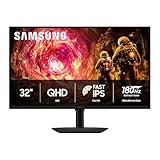


Top 3 picks at a glance
Decide These 3 Things First
Before you start parsing spec sheets or comparing prices, you must establish three baseline parameters. These decisions will instantly filter out 80% of the market and align your purchase with your specific visual preferences:
1. Contrast vs. Viewing Angles: You must decide what you tolerate less: pale, glowing grays in dark rooms, or colors that shift when you look at the screen from an angle. If you play in a dimly lit room and love dark, atmospheric games, contrast is your priority. If you play in a bright room and sit at varying angles, viewing angles and color consistency matter more.
2. Screen Size and Desk Depth: Do you have the physical space for a large screen, or is your desk shallow? A larger screen is highly immersive, but if you sit too close, the image will lose its sharpness. Measure your desk depth before choosing between a 27-inch and a 32-inch display.
3. True HDR vs. SDR: High Dynamic Range (HDR) can deliver breathtaking contrast and highlight detail, but only if the monitor has the hardware to support it. If you want true HDR, you must budget for advanced backlighting technologies like Mini-LED or OLED. If you are shopping on a budget, you should focus on maximizing Standard Dynamic Range (SDR) performance instead of falling for fake HDR marketing.
1. Screen Size and Pixel Density (PPI)
For 1440p resolution (2560 x 1440 pixels), size dictates clarity. Pixel density is measured in Pixels Per Inch (PPI). The higher the PPI, the sharper and more detailed the image will look to your eye at a standard viewing distance.
- 27-Inch Monitors (The Sweet Spot): A 27-inch diagonal screen measuring roughly 24 inches wide by 14 inches high yields a pixel density of approximately 109 PPI. At a normal viewing distance of 2 to 3 feet, individual pixels are completely invisible. Text is razor-sharp, and game textures look incredibly dense and detailed.
- 32-Inch Monitors (Immersive but Softer): A 32-inch diagonal screen (about 28 inches wide) drops the pixel density to roughly 93 PPI. This is the exact same pixel density as a 24-inch 1080p monitor. While the larger screen size is highly immersive, the image will look slightly softer, and you may notice minor pixelation on text and fine lines if you sit closer than 3 feet.
2. Panel Technology: IPS, VA, and OLED
The panel type is the single most important factor governing picture quality. It determines how the monitor handles colors, viewing angles, and black levels.
- IPS (In-Plane Switching): This is the industry standard for color accuracy. IPS panels offer vibrant, lifelike colors and wide 178-degree viewing angles, meaning the picture does not degrade if you look at it from the side. However, they have a major weakness: a low contrast ratio (typically 1000:1). In dark rooms, blacks look dark gray, and you may experience “IPS glow”—a faint light leaking from the corners of the screen.
- VA (Vertical Alignment): VA panels excel at contrast, offering ratios ranging from 3000:1 to 4000:1. Blacks are deep, dark, and ink-like, making them excellent for late-night gaming. The trade-offs are narrower viewing angles (colors fade slightly when viewed from the side) and slower pixel response times, which can cause dark objects to leave a faint smear when moving quickly across the screen.
- OLED (Organic Light-Emitting Diode): OLED is the gold standard for picture quality. Because every single pixel emits its own light and can turn completely off, OLEDs offer an infinite contrast ratio. Colors are exceptionally vibrant, response times are near-instantaneous, and there is zero backlight bleed. The primary drawbacks are high prices and the long-term risk of static image burn-in.
3. Color Gamut and Brightness
To get a rich, punchy picture, you need to look at color gamut coverage and peak brightness numbers rather than just relying on factory presets.
- Color Gamut: Look for monitors that specify their coverage of the DCI-P3 color space, which is the standard for modern cinema and HDR content. A high-quality picture requires at least 90% DCI-P3 coverage (95% or higher is ideal). Budget monitors often limit themselves to 99% sRGB, which looks clean but lacks the deep, saturated reds and vibrant greens of a wide-color-gamut display.
- SDR Brightness: For comfortable viewing in a standard residential room, a peak brightness of 250 to 350 nits (candelas per square meter) is ideal. Anything lower than 250 nits will look dull and washed out if you have a window nearby.
- HDR Brightness: True HDR requires a peak brightness of at least 400 to 600 nits, combined with local dimming. Cheap monitors boasting “HDR10 support” but only offering 250 nits of peak brightness will actually worsen your picture quality, making the image look gray and dim when HDR is enabled.
4. Ergonomics and Stand Build Quality
A monitor’s physical footprint and adjustability directly impact your viewing comfort, which in turn affects your perception of picture quality. If you are hunching over or viewing the screen at an incorrect angle, colors and contrast will suffer.
- Adjustability: Premium stands offer height adjustment (typically 110mm to 130mm of travel), tilt (-5 to +20 degrees), and swivel. Budget models often feature tilt-only stands, which forces you to stack books under the base to align the screen with your eyes.
- Weight and Footprint: A typical 27-inch monitor weighs between 10 and 15 pounds with the stand, while a 32-inch model can weigh 18 to 22 pounds. Ensure your desk is deep enough (at least 24 to 30 inches) to accommodate the stand’s footprint without pushing the screen too close to your face.
- VESA Compatibility: Look for standard VESA 75x75mm or 100x100mm mounting holes on the back. This allows you to discard a cheap factory stand and mount the monitor to an adjustable articulating arm for perfect positioning.
5. Connectivity and Power Consumption
Your ports determine what devices you can connect and at what refresh rates, while power draw impacts your utility bill and heat output.
- DisplayPort 1.4: This is the essential port for PC gaming. It has the bandwidth to handle 1440p resolution at high refresh rates (144Hz to 260Hz) with full 10-bit color depth.
- HDMI 2.0 vs. HDMI 2.1: HDMI 2.0 is fine for 1440p at 120Hz or 144Hz. However, if you plan to connect a modern console like a PlayStation 5 or Xbox Series X, look for HDMI 2.1 ports, which support variable refresh rate (VRR) and 1440p output at 120Hz with ease.
- Power Consumption: Standard 1440p LED-backlit monitors typically draw between 25 and 45 watts during active use. High-brightness Mini-LED monitors or large OLED panels can draw 60 to 90 watts under heavy loads, which also translates to noticeable heat radiating from the screen.
6. Price Tiers and What to Expect
Understanding the pricing tiers prevents you from overpaying or expecting premium performance from a budget model.
- Entry-Level ($150 – $220): This tier features excellent 27-inch IPS monitors with 144Hz to 180Hz refresh rates and basic 250-nit brightness, or 32-inch curved VA panels. Color accuracy is decent, but stands are usually plastic and lack height adjustment, and HDR is non-existent.
- Mid-Range ($220 – $450): This is the sweet spot for most buyers. Here, you get wide color gamuts (95%+ DCI-P3), peak brightness up to 400 nits, fully adjustable ergonomic stands, and faster response times with minimal ghosting.
- Premium ($450 – $900+): This tier introduces high-end display tech. You will find Mini-LED backlighting with hundreds of local dimming zones for true HDR, as well as premium 1440p OLED panels boasting infinite contrast, near-instant response times, and exceptional color vibrancy.
7. Warranty and Reliability
A monitor with spectacular picture quality is useless if it develops dead pixels or backlighting failures after a few months.
- Warranty Length: Look for manufacturers that offer a 3-year limited warranty covering parts, labor, and the backlight panel. Budget brands frequently cut this down to a 1-year warranty to save on costs.
- Dead Pixel Policies: Always read the fine print. Some manufacturers require up to 5 or more dead pixels before they will authorize a replacement, while others offer a “zero bright dot” guarantee during the first year.
- OLED Burn-In Protection: If you are investing in a premium OLED monitor, ensure the manufacturer’s warranty explicitly covers burn-in (the permanent ghost image left behind by static HUDs or taskbars) for at least 2 to 3 years.
Spec Checklist
Use this quick reference table to match specifications to your budget when searching for the best possible picture quality.
| Specification | Budget Tier ($150 – $220) | Mid-Range Tier ($220 – $450) | Premium Tier ($450+) |
|---|---|---|---|
| Panel Type | IPS or Standard VA | Fast IPS or Curved VA | Mini-LED or OLED |
| Contrast Ratio | 1000:1 (IPS) to 3000:1 (VA) | 1200:1 (IPS) to 4000:1 (VA) | Infinite (OLED) or 100,000:1 (Mini-LED) |
| Color Gamut | 99% sRGB | 90% to 95% DCI-P3 | 98%+ DCI-P3 / Quantum Dot |
| Peak Brightness | 250 nits | 350 to 400 nits | 600 to 1000+ nits (HDR peak) |
| Stand Adjustability | Tilt only (-5° to 15°) | Height, Tilt, Swivel | Premium metal stand or heavy-duty arm |
Red Flags
When shopping, avoid these common marketing tricks that hide mediocre picture quality:
- “HDR10” on a 250-nit monitor: This is a compatibility rating, not a performance rating. It means the monitor can accept an HDR signal, but it lacks the brightness and contrast to actually display it, resulting in a dim, washed-out image.
- “1ms Response Time” (with a catch): Manufacturers achieve this number by using extreme pixel overdrive settings in laboratory environments. In real-world use, this setting causes severe “overshoot” or inverse ghosting, creating ugly bright trails behind moving objects.
- Tilt-Only Stands on 32-Inch Screens: Large screens require precise height adjustments to keep the center of the panel at eye level. Avoid cheap, wobbly, tilt-only plastic stands on large displays unless you plan to buy a separate VESA monitor arm.
- SDR-Only Gamuts Labeled as “Gaming Grade”: If a monitor only specifies “sRGB” coverage and completely hides its DCI-P3 percentage, it will look flat and dull when playing modern, vibrant games.
FAQ
Is 1440p significantly better than 1080p for picture quality?
Yes. A 1440p monitor has 78% more pixels than a standard 1080p display. This dramatic increase in pixel density makes images look significantly sharper, eliminates jagged edges on fine lines, and provides much more desktop screen real estate for multitasking.
Should I choose a flat or curved monitor for 1440p gaming?
For a 27-inch monitor, a flat screen is usually preferred because the screen is small enough to view entirely without eye strain. For a larger 32-inch monitor, a gentle curve (such as 1000R or 1500R) is highly beneficial, as it brings the outer edges of the screen into your peripheral vision, improving color uniformity and reducing eye fatigue.
Why does HDR look washed out on my budget 1440p monitor?
Budget monitors lack the physical hardware required for HDR. Without local dimming zones (which allow the monitor to dim specific parts of the screen while keeping other parts bright) and a high peak brightness of at least 600 nits, enabling HDR simply forces the backlight to run at 100% capacity, turning deep blacks into a hazy gray.
Will my graphics card handle 1440p gaming in 2026?
Modern mid-range graphics cards are highly optimized for 1440p gaming. As we move into 2026, features like AI-driven upscaling (such as DLSS and FSR) make it easier than ever to achieve high frame rates at 1440p resolution, even on modest hardware, without sacrificing image clarity.


