
Shopping for a display that elevates your setup can feel overwhelming when aggressive marketing jargon makes every screen sound revolutionary. The concrete problem most buyers face is identifying a display that balances genuine visual clarity, motion smoothness, and long-term durability without paying a premium for unnecessary features. Looking past flashy branding requires evaluating how resolution, panel response, and refresh rate actually translate to daily desktop performance.
By comparing published technical specifications, manufacturer documentation, and extensive verified owner feedback, we identified screens that deliver dependable performance and genuine value. A solid display should hold consistent color reproduction, minimize motion blur in fast-moving titles, and feature durable physical construction. This guide highlights the top options on the market to help you find the best quality gaming monitor for your specific desk space and budget.
As an Amazon Associate we earn from qualifying purchases at no extra cost to you. Product prices and availability are accurate as of the date shown and are subject to change.


Top 3 picks at a glance
Quick Picks
| Product | Best for | Price |
|---|---|---|
| Samsung 27″ Odyssey G5 (G51F) | Overall Value 1440p | $149.99 |
| SANSUI 32″ Curved 240Hz | Big-Screen Speed | $179.99 |
| Sceptre 22″ (E225W-FW144 Series) | Ultra-Budget Compact | $64.97 |
| AOC 27″ Q27G41ZE | High Refresh 1440p IPS | $159.99 |
| Samsung 32″ Odyssey (G55C) | Immersive Curved QHD | $236.99 |
| Acer 27″ KB272 G0bi | Entry-Level Work & Play | $99.99 |
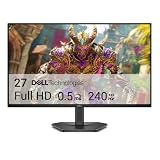
| Dell 27″ SE2726HG | Fast-Paced Esports IPS | $149.99 |
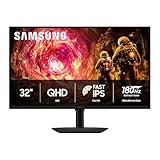
| Samsung 32″ Odyssey G5 (G50F) | Spacious Flat QHD | $219.99 |
How We Picked
To evaluate these displays, we focused on four decisive criteria across spec sheets and aggregate user experiences: pixel density relative to panel size, refresh rate efficiency for fluid motion, color stability across panel types, and physical housing reliability. We prioritized screens that maintain sharp text rendering and consistent motion clarity without running overly hot or displaying backlight defects. Furthermore, pricing was heavily weighed against owner satisfaction metrics to ensure each selected display offers strong long-term value.
The 8 Best Quality Gaming Monitor in 2026
Samsung 27″ Odyssey G5 (G51F) Series
Targeted at mainstream gamers wanting sharp 1440p detail on a standard desk footprint, this monitor offers crisp visuals and fluid motion capabilities. Owner feedback frequently highlights its sharp text clarity and deep contrast levels, making it a strong candidate for both immersive single-player titles and daily productivity duties.
- Crisp QHD resolution on a popular 27-inch screen size
- Highly competitive price point for a mid-tier resolution display
- Stand offers limited height adjustability out of the box
Skip this model if you strictly prefer high-frame-rate 1080p competitive play over higher screen resolution.
SANSUI 32 Inch Curved 240Hz Gaming Monitor
Designed for gamers who want an expansive, wrapped view paired with high motion fluidity, this large display focuses on maximum visual engagement. User reviews praise its snappy frame rendering during frantic action scenes, alongside an immersive curved profile that brings virtual worlds closer to the user’s field of view.
- Fast 240Hz refresh rate delivers exceptional motion smoothness
- Immersive 32-inch curved panel fills peripheral vision
- Lower pixel density due to FHD 1080p resolution on a large screen
Skip it if your primary concern is razor-sharp desktop text and high-density image detail.
Sceptre New 22-Inch Gaming Monitor (E225W-FW144 Series)
Built for budget-conscious users and compact desk setups, this model provides entry-level performance without taking up excessive workspace. Buyers report that its built-in speakers and compact frame make it a convenient all-in-one solution for small bedrooms or secondary PC setups where space is severely restricted.
- Extremely affordable price for a high-refresh display
- Integrated speakers save desk space and extra accessory costs
- Compact 22-inch screen offers reduced visual real estate
Skip this unit if you prefer expansive visual immersion or high-resolution graphics performance.
AOC 27″ Gaming Monitor QHD 260Hz Overclocked IPS (Q27G41ZE)
Engineered for speed enthusiasts who refuse to compromise on visual sharpness, this display merges fast response characteristics with vibrant color execution. Spec comparisons and verified buyer feedback indicate exceptional motion clarity alongside wide viewing angles, making it a standout choice for fast-paced action.
- Overclocked 260Hz capability paired with sharp QHD clarity
- Vibrant IPS panel technology delivers wide viewing angles
- Higher refresh settings may require modern DisplayPort connections
Skip this screen if your current graphics card cannot consistently output high frame rates at 1440p resolution.
Samsung 32″ Odyssey (G55C) Series QHD 1000R Curved Gaming Monitor
Created for players seeking maximum immersion across an expansive display surface, this monitor features an aggressive 1000R curve designed to match the human eye’s natural field of view. Owner reports indicate deep contrast levels and uniform dark scenes, making dark game environments look particularly rich.
- Deep 1000R curvature provides enveloping sightlines
- QHD resolution keeps fine details crisp across 32 inches
- Aggressive curve can take time to adjust to for desktop office work
Skip this monitor if you perform extensive spreadsheet work or precision graphic design requiring flat reference lines.
Acer 27in FHD IPS 120Hz Gaming Monitor (KB272 G0bi)
Aimed at dual-purpose home office and casual gaming environments, this display delivers clean visual performance at an accessible price point. Specs and buyer reviews highlight solid color accuracy from the IPS panel and smooth daily scrolling, making it a reliable workhorse for mixed daily usage.
- Budget-friendly sub-$100 price tag
- IPS technology provides clear colors and wide viewing angles
- Moderate 120Hz rate is lower than dedicated esports alternatives
Skip this model if you require rapid 240Hz refresh rates for competitive online multi-player shooters.
Dell 27 240Hz Gaming Monitor (SE2726HG)
Tailored for competitive esports players who prioritize rapid frame delivery and motion clarity, this monitor utilizes a fast IPS panel to keep visuals fluid. User experiences emphasize stable build construction, versatile input options like dual HDMI and DisplayPort 1.4, and comfortable tilt adjustments.
- Smooth 240Hz motion handling tailored for fast action
- In-Plane Switching (IPS) panel provides consistent image clarity
- FHD 1080p resolution offers less screen real estate than QHD
Skip this option if you prioritize high-density image detail and 1440p visual crispness over raw frame rates.
Samsung 32” Odyssey G5 (G50F) Series QHD Gaming Monitor
Designed for users who want a spacious 32-inch workspace without curved screen distortion, this flat display provides expansive 1440p viewing. Aggregated owner feedback praises its expansive desktop screen area, rich color output, and flexible setup options for both gaming and multimedia consumption.
- Large 32-inch flat panel provides ample visual space
- Detailed QHD resolution ensures text and graphics remain sharp
- Physical footprint requires a relatively deep desk setup
Skip this display if you prefer curved screens to reduce eye movement across large screen surfaces.
Buying Guide
Resolution vs. Screen Size
Matching panel size with native resolution is vital for picture clarity. A 27-inch monitor excels with QHD (1440p) resolution, as it yields sharp pixel density without demanding extreme graphics power. Conversely, FHD (1080p) is well-suited for smaller 22-inch displays or setups where high frame rates take absolute priority over fine textural detail. When expanding to 32 inches, QHD is highly recommended to prevent pixelation during general desktop use.
Panel Technology and Refresh Rates
Modern displays primarily utilize IPS or VA panel technologies. IPS panels excel in color accuracy and wide viewing angles, making them ideal for varied viewing positions and mixed media work. VA panels generally offer deeper black levels, which enhances contrast in dark gaming environments. Meanwhile, refresh rates—ranging from 120Hz up to 260Hz—determine motion fluidity; competitive players benefit from higher refresh tiers, whereas casual gamers will find moderate refresh rates entirely sufficient.
Connectivity and Ergonomics
Inputs like DisplayPort 1.4 and HDMI determine whether you can utilize your screen’s full refresh rate and variable refresh rate capabilities. Check that your display includes the necessary ports for your computer or console setup. Additionally, physical adjustments such as tilt support help maintain comfortable posture, while integrated features like built-in speakers save valuable space on crowded desks.
Our Verdict
For the vast majority of players seeking the ideal balance between crisp image detail, fluid motion, and overall value, the AOC 27″ Q27G41ZE stands out as our top overall recommendation. Buyers seeking maximum savings without sacrificing smooth visual frame delivery will find the Sceptre 22″ (E225W-FW144 Series) to be an unbeatable budget pick. However, if your gaming library consists heavily of dark, atmospheric titles where expansive peripheral views matter most, the Samsung 32″ Odyssey (G55C) is the superior choice for deep immersion.
FAQ
What resolution is best for a quality gaming monitor?
For most desktop setups, QHD (2560×1440) offers the optimal balance between sharp image clarity and manageable graphics processing demands. FHD (1920×1080) remains a practical choice for budget setups or competitive players seeking maximum frame rates.
Does refresh rate matter for non-competitive gaming?
Yes, higher refresh rates like 120Hz or 144Hz provide smoother scrolling and cleaner camera movement in all genres. Even casual exploration games feel noticeably more responsive compared to standard 60Hz displays.
Is a curved monitor better than a flat monitor?
Curved screens enhance peripheral field-of-view immersion, especially on displays 32 inches or larger. However, flat monitors are generally preferred for precision tasks like graphic design or spreadsheets where straight lines are essential.
What display ports are required for high refresh rates?
DisplayPort 1.4 is typically recommended to unlock maximum refresh rates and resolution simultaneously on PC setups. HDMI ports can also support high frame rates, depending on the specific revision supported by both the monitor and graphics card.

