
Investing in a premium ultrawide OLED gaming monitor transforms your desktop experience. Whether you are tracking enemies across a sweeping 34-inch curved screen or managing multiple windows on a massive 49-inch display, the infinite contrast ratios and near-instantaneous response times are unmatched. However, these high-end displays require a level of maintenance that differs drastically from standard office equipment.
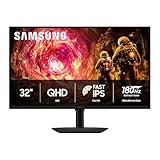
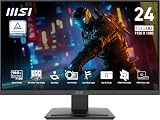
Standard office or entry-level gaming displays, such as the MSI PRO MP243L E14 24-inch IPS Monitor ($89.99) or the mid-range Samsung 32” Odyssey G5 (G50F) Series QHD Gaming Monitor ($199.99), utilize resilient matte plastic outer polarizers. These can handle basic cleanings with relative ease. However, premium OLED ultrawides feature incredibly delicate, anti-reflective glass or optical film stacks. Knowing
If cleaned incorrectly, several things can go wrong. The most common issue is the stripping of the anti-reflective (AR) coating, which leaves permanent, cloudy blue or purple splotches across the screen. Additionally, applying too much pressure can crack the ultra-thin glass substrate or damage the organic light-emitting diodes underneath, resulting in dead pixels or vertical lines. Finally, using excess liquid can allow moisture to seep into the bottom bezel, shorting out the row drivers that power the panel.
What You Need
Before you begin, gather the correct tools. Never substitute household cleaning agents or standard rags for specialized electronics care products.
| Item | Why | Optional? |
|---|---|---|
| Distilled Water | Tap water contains minerals (like calcium and magnesium) that leave microscopic abrasive crystals and white residue on the delicate AR coating. | No |
| High-GSM Microfiber Cloths (at least 2) | A high Grams per Square Meter (300+ GSM) cloth has plush, split fibers that lift dust away from the screen rather than dragging it across the surface. | No |
| Bulb Air Blower | Safely blows away loose, abrasive dust particles before you ever touch the screen with a cloth. | Yes (Highly Recommended) |
| Specialized OLED Screen Cleaner | An alcohol-free, ammonia-free formula designed specifically for delicate optical coatings. Only used for stubborn oil or grease. | Yes |
Step-by-Step
Follow these steps precisely to clean your OLED ultrawide monitor without risking physical or electrical damage.
Step 1: Power Down and Cool Off (Time Estimate: 15 Minutes)
Turn off your monitor and unplug its power brick from the wall. Ultrawide OLED monitors pull significant power (often between 80W and 150W during active gaming), generating noticeable heat across the panel. Wiping a warm screen causes liquids to evaporate too quickly, leaving stubborn streaks. Furthermore, a black, powered-down screen makes dust, fingerprints, and smudge patterns much easier to see under normal room lighting.
Step 2: Blow Away Loose Dust (Time Estimate: 2 Minutes)
Use your bulb air blower to blast away loose dust and particulate matter from the top edge down to the bottom. Do not use compressed canned air; these cans can spit bitterants or freezing liquid propellants that can chemically stain or thermally shock the thin OLED panel.
As an Amazon Associate we earn from qualifying purchases at no extra cost to you. Product prices and availability are accurate as of the date shown and are subject to change.
Step 3: Perform a Dry Wipe (Time Estimate: 3 Minutes)
Take your first clean, dry high-GSM microfiber cloth. Gently wipe the screen in straight, horizontal or vertical paths. Do not press hard. Let the microscopic hooks of the microfiber lift the dust. For many users who clean their displays weekly, this dry wipe is all that is required to restore a clean surface.
Step 4: Dampen (Do Not Soak) the Cloth (Time Estimate: 3 Minutes)
If fingerprints, spit particles, or grease spots remain, dampen a small section of your second microfiber cloth with distilled water or an approved OLED cleaner. The cloth should be barely damp to the touch—never wet enough to drip. Never spray water or cleaner directly onto the screen. Droplets can easily slide down the slick surface and pool inside the bottom bezel, destroying the control board.
Step 5: Gently Wipe the Affected Areas (Time Estimate: 3 Minutes)
Using the damp portion of the cloth, wipe the smudges in straight, overlapping lines. Do not scrub or make circular motions. If a spot is stubborn, hold the damp cloth against it for 10 seconds to loosen the debris before wiping gently. Once the spot is gone, immediately flip the cloth to a dry section and buff the area dry to prevent water spots.
Mistakes to Avoid
- Using Paper Products: Toilet paper, paper towels, and facial tissues are made from wood pulp. On a microscopic level, these fibers act like fine sandpaper and will leave permanent micro-scratches across your glossy OLED surface.
- Applying Glass Cleaners: Household glass cleaners contain ammonia, alcohol, or vinegar. These harsh solvents instantly dissolve the delicate anti-reflective coatings used on premium monitors, leaving ugly, unfixable dull spots.
- Circular Buffing: Wiping in circles concentrates pressure on a single point and can trap a piece of grit, grinding it into the screen to create a circular scratch. Always wipe in straight, edge-to-edge passes.
- Excessive Pressure: OLED panels do not have a thick, protective plastic frame like budget monitors. Wiping with heavy hand pressure can flex the panel, damaging the delicate self-lit pixels underneath.
How Often
How frequently you clean your monitor depends on your desk environment. For standard setups, a dry dusting with an air blower and dry microfiber cloth should be performed once a week to prevent dust buildup. A damp deep-clean should only be performed when visible smudges, fingerprints, or accidental splashes occur—typically once every one to two months.
As monitor manufacturers roll out next-generation QD-OLED and WOLED displays leading into 2026, anti-reflective coating technologies continue to evolve, but the golden rule of minimal physical friction remains unchanged. Clean your panel only when necessary; unnecessary rubbing increases the risk of scratching the surface.
When to Call a Pro or Replace
While surface dust and light fingerprints are easy to clean at home, some issues cannot be resolved with a microfiber cloth. If you notice persistent vertical lines, colored bands, or a screen that refuses to turn on after a cleaning attempt, liquid has likely bypassed the bezel and shorted out the internal circuitry.
Additionally, physical scratches that penetrate the outer coating or “burn-in” image retention cannot be cleaned off. Because ultrawide OLED monitors are premium devices weighing anywhere from 15 to 30 pounds and costing up to $1,500, out-of-warranty panel replacements are rarely cost-effective, often running 80% of the price of a new unit. If your panel suffers internal liquid damage or a deep scratch, it is time to contact the manufacturer’s authorized repair center or look into a replacement display.
FAQ
Can I use 70% isopropyl alcohol to clean my OLED screen?
No. While isopropyl alcohol is commonly used to clean other electronics, it can degrade the specific anti-reflective and glare-reducing coatings applied to OLED gaming monitors. Stick strictly to distilled water or specialized, manufacturer-approved optical cleaners that explicitly state they are safe for OLED displays.
Why are circular wiping motions bad for my monitor?
Wiping in a circular motion traps any missed dust particles under the cloth and grinds them repeatedly over the same spot, creating noticeable swirl marks. Straight, consistent horizontal or vertical strokes allow the dust to be swept off the edges of the screen rather than ground into it.
What should I do if water seeps into the bottom bezel?
If you suspect liquid got inside the bezel, immediately turn off the monitor and unplug it from the wall. Do not turn it back on for at least 48 hours. Set the monitor in a warm room with good airflow, ideally tilting it slightly forward so any trapped moisture can drain out of the bezel rather than deeper into the electronics.
Is tap water really that bad for a quick clean?
Yes. Tap water contains dissolved minerals. When the water evaporates off your warm screen, it leaves behind microscopic, hard mineral deposits. If you try to wipe those deposits away later, they act as an abrasive, scratching the delicate coating of your panel.
