The best outdoor shower kits for easy installation are usually hose-fed, wall- or post-mounted systems with a handheld wand; choose a solar-heated kit for low-cost seasonal use, a cold-water kit for the simplest setup, or a thermostatic electric system when you need dependable hot water.
As an Amazon Associate we earn from qualifying purchases at no extra cost to you.


Our Top Picks
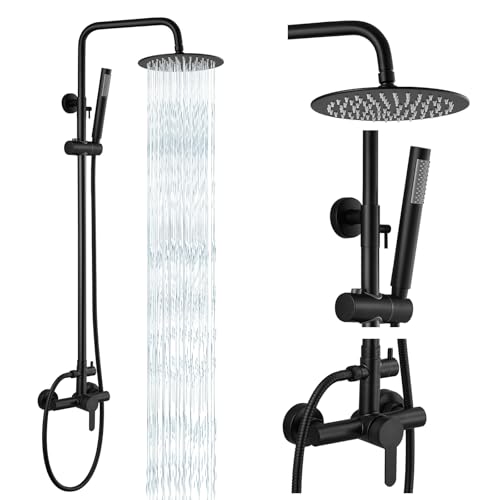 gotonovo Outdoor Shower Kit 304 Stainless Steel8 Inch17.3 x 13.2 x 5 inches7.8 poundsCheck on Amazon
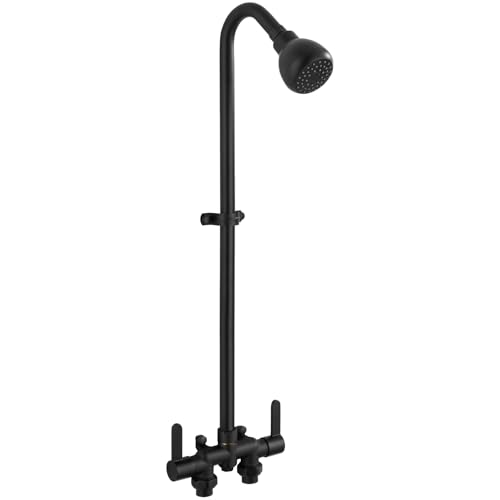

Top 3 picks at a glance
Quick comparison: which outdoor shower kit fits your setup?
| Situation | Best kit type | Plumbing required | Typical installation | Main compromise |
|---|---|---|---|---|
| Rinsing after gardening, swimming, or gaming-room projects | Cold-water hose shower | One garden-hose connection | 10–30 minutes | No warm water |
| Seasonal use at a sunny campsite or pool area | Solar-heated bag or column | Hose or tank filling; no permanent plumbing | 15–60 minutes | Heat depends on sunlight and water volume |
| Regular use beside a house or pool | Permanent hot-and-cold wall shower | Hot and cold supply lines plus drainage | Several hours to multiple days | More construction and winterization |
| Off-grid location without a water main | Portable tank-and-pump shower | Water container and 12-volt or rechargeable pump | 30–90 minutes | Limited runtime and battery charging |
1. Hose-fed cold-water kits: the easiest permanent-looking option
A hose-fed kit is the simplest choice when “easy installation” matters more than hot water. It normally includes a shower head or handheld wand, a valve, a hose adapter, and a mounting bracket. Connect it to a standard outdoor faucet, run the hose to the shower location, and secure the unit to a wall, fence, deck post, or freestanding support.
These kits are useful for rinsing muddy shoes, cooling off, washing pets, or cleaning equipment. They also avoid the electrical and gas-safety issues associated with water heating. Look for a metal valve body, a replaceable hose washer, and a shutoff that can be operated with wet hands.
Plumbing and pressure checks
- Use a faucet with a full-flow connection rather than a low-flow utility tap.
- Keep the hose run as short as practical. A 25-foot hose is easier to manage and usually loses less pressure than a 50-foot hose.
- For a useful shower stream, aim for approximately 30–60 psi at the shower inlet.
- Remove kinks and avoid placing a narrow, restrictive filter before the valve.
For a temporary setup, a garden hose is adequate. For a cleaner permanent installation, use a short reinforced hose section with a shutoff and protect the connection from foot traffic.
2. Solar-heated kits: warm water without running hot plumbing
Solar kits use a dark reservoir, flexible bag, or vertical column to absorb heat. They are attractive for cabins, pools, campsites, and seasonal yards because installation can require little more than filling the reservoir and mounting the shower securely.
Solar heating is limited by weather, reservoir size, and starting water temperature. A useful way to estimate the result is to calculate the energy required:
Energy required = water mass × specific heat × temperature increase.
Heating 20 liters of water from 15°C to 35°C requires approximately 1.67 megajoules, or 0.46 kilowatt-hours. A solar collector receiving an average of 500 watts of usable heat would need about 55 minutes under ideal conditions, but real losses, changing sunlight, wind, and imperfect collector positioning can make the actual time substantially longer.
This calculation explains why a small black bag may produce a warm rinse but not a long, hot shower. For more consistent results, choose a larger reservoir, place it in full sun, and allow several hours of heating. Solar units should include a temperature indicator or a way to blend hot reservoir water with cold water; water sitting in strong sun can become uncomfortably hot.
Solar mounting requirements
- Mount the collector where it receives direct sunlight for much of the day.
- Use a load-bearing wall or post. Twenty liters of water weighs about 20 kilograms before adding the container and hardware.
- Keep the hose outlet below the reservoir so gravity can provide flow.
- Drain the system after use in freezing weather or when storing it for winter.
3. Portable pump kits: best for off-grid installation
A portable pump shower draws water from a bucket, jerry can, or dedicated tank. It is more flexible than a solar bag because the water can be heated separately, then transferred to the reservoir. It also works where there is no outdoor faucet.
Most systems use a small 12-volt or rechargeable pump. Check the pump’s flow rate rather than choosing by battery capacity alone. A shower using 4 liters per minute will consume a 20-liter container in roughly five minutes of continuous flow. Reducing the flow to 2 liters per minute doubles the t
Frequently asked questions
Can a hose-fed outdoor shower kit be mounted without building a full shower enclosure?
Yes. A hose-fed kit can be secured to a wall, fence, deck post, or freestanding support, so a full enclosure is not required by the basic installation described. Connect the unit to a standard outdoor faucet, run the hose to the shower location, and secure the mounting bracket. This setup is suitable for rinsing shoes, pets, equipment, or people.
What should I look for when choosing a cold-water outdoor shower kit?
Look for a metal valve body, a replaceable hose washer, and a shutoff that can be operated with wet hands. A handheld wand can make the kit useful for rinsing muddy shoes, cooling off, washing pets, or cleaning equipment. A full-flow outdoor faucet and a short hose run can also help provide a more useful shower stream.
How can I prevent a solar shower from becoming too hot?
Choose a solar unit with a temperature indicator or a way to blend hot reservoir water with cold water. Water sitting in strong sun can become uncomfortably hot. The article also recommends placing the reservoir in full sun for effective heating, so temperature control is important even though sunlight improves the system’s ability to warm the water.
How much space and support does a solar shower reservoir need?
A solar reservoir needs a location with direct sunlight for much of the day and a load-bearing wall or post for support. Twenty liters of water weighs about 20 kilograms before the container and hardware are added. The hose outlet should remain below the reservoir so gravity can provide flow, and the system should be drained in freezing weather.
Can a portable pump shower use water that was heated separately?
Yes. A portable pump shower can draw water from a bucket, jerry can, or dedicated tank, and the water can be heated separately before being transferred to the reservoir. This makes the system useful where there is no outdoor faucet. Most systems use a small 12-volt or rechargeable pump, so flow rate and available battery power should be considered.