The best touring kayaks for long trips are the Delta 15.5 GT for efficient open-water travel, the Wilderness Systems Tsunami 145 for a balanced all-around design, and the Dagger Stratos 14.5 S or L when stability and maneuverability matter more than maximum speed.
A touring kayak is not simply a longer recreational kayak. Its length, hull shape, cockpit dimensions, storage system, and load rating all affect how confidently it handles a loaded boat over several hours or several days. The right choice depends on your height, the water you paddle, how much equipment you carry, and whether you can transport a boat longer than 14 feet.
As an Amazon Associate we earn from qualifying purchases at no extra cost to you.


Our Top Picks
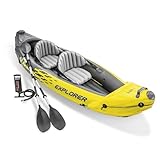
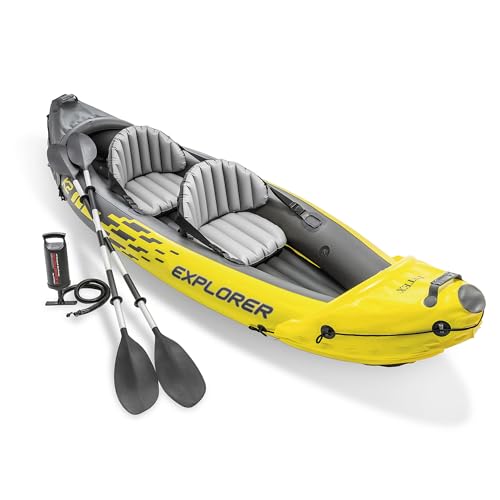 INTEX Explorer Inflatable Kayak 2-Person Portable Set with2-Person123 x 36 x 20 Inches35.02 PoundsCheck on Amazon
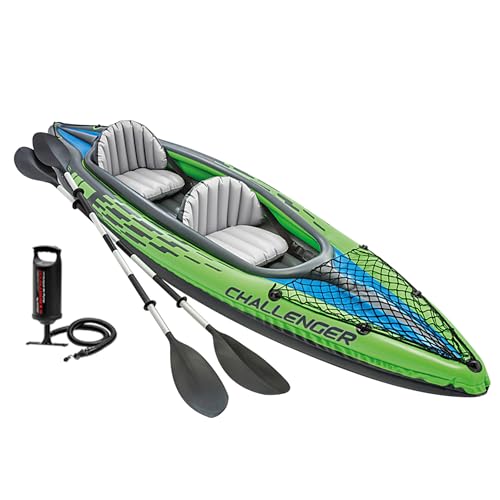 INTEX Challenger Inflatable Kayak Series: Includes Deluxe 86in2 Person138 x 30 x 15 inches32.67 PoundsCheck on Amazon


Top 3 picks at a glance
Best touring kayaks compared
| Model | Length | Approx. capacity | Best use | Main trade-off |
|---|---|---|---|---|
| Delta 15.5 GT | 15 ft 6 in | About 400 lb | Efficient long-distance touring | Longer vehicle and less playful in tight turns |
| Wilderness Systems Tsunami 145 | 14 ft 6 in | About 350 lb | Balanced day trips and overnighters | Heavier than many composite boats |
| Dagger Stratos 14.5 S/L | 14 ft 6 in | Roughly 300–350 lb, depending on size | Confident handling in varied conditions | Not as fast as a narrower expedition kayak |
| Perception Carolina 14 | 14 ft | About 300 lb | Accessible recreational touring | Less refined tracking and outfitting than premium touring designs |
| Eddyline Sitka LT | 14 ft | About 350 lb | Lightweight, efficient day touring | Usually costs more than rotomolded alternatives |
Capacity figures are manufacturer-rated maximum loads and should not be treated as a target. A kayak generally feels more stable and responsive when the paddler and gear remain comfortably below that limit.
1. Delta 15.5 GT: best for efficient long trips
The Delta 15.5 GT is a strong choice when your priority is covering distance with camping equipment aboard. Its 15-foot-6-inch hull has the waterline length and relatively narrow touring proportions that help it maintain speed without constant corrective strokes. The enclosed bow and stern compartments provide useful capacity for multi-day gear, while the thermoformed plastic construction is easier to live with than a fragile lightweight composite hull.
Its length improves straight-line tracking, but that benefit comes with transport demands. You will need a roof rack or trailer setup that can safely support a boat over 15 feet long. A longer boat also takes more space in a garage and can be awkward when carrying it alone.
Choose the Delta when your typical trip includes open lakes, coastal passages in suitable conditions, or several days of equipment. It is less appealing if you mostly paddle narrow rivers, small ponds, or areas where frequent turning is unavoidable.
2. Wilderness Systems Tsunami 145: best all-around touring kayak
The Tsunami 145 is one of the most versatile choices in this category. At 14 feet 6 inches, it has enough length for useful tracking and cruising efficiency without becoming exceptionally difficult to transport. Its moderate hull width and touring-oriented profile balance primary stability, secondary stability, and speed well for many intermediate paddlers.
The cockpit is a major reason to consider it for long trips. Adjustable thigh braces, foot controls, and a padded seat allow you to tune contact points rather than simply accepting a fixed recreational fit. That matters after several hours: poor knee or foot positioning can create pressure points, numbness, and an unstable-looking paddle stroke.
The Tsunami 145 has substantial front and rear hatch storage, although packing technique still matters. Keep dense items low and near the middle of the boat, place frequently used items in accessible compartments, and use dry bags to divide equipment by function. A fully loaded stern can make the bow ride high and reduce control in wind.
3. Dagger Stratos 14.5: best for stability and maneuverability
The Dagger Stratos 14.5 is a particularly good fit for paddlers who want a touring kayak that remains manageable in turning water and less-than-perfect conditions. It is commonly available in size variants intended for different paddler dimensions, so selecting the correct version is more important than choosing the longer model by default.
Compared with a narrow expedition kayak, the Stratos emphasizes predictable handling over outright speed. Its hull and rocker make it easier to redirect, edge, and control than a very straight-tracking boat. That is valuable on winding rivers, sheltered coastal routes, and trips where wind direction changes during the day.
The compromise is efficiency. The same maneuverability that helps in tight water means you may use more strokes to hold a straight course in a strong crosswind. Its storage is suitable for day touring and many overnighters, but minimalist packing is wise for longer unsupported expeditions.
4. Perception Carolina 14: best lower-cost entry to touring
The Perception Carolina 14 is a sensible option for paddlers moving up from short recreational kayaks. Its 14-foot length improves directional stability over 10- or 12-foot designs, and its sit-in cockpit offers better protection and boat contact than an open recreational layout.
It is not the fastest or most expedition-focused boat in this comparison. Storage, hatch sealing, seat refinement, and hull efficiency are generally less advanced than on higher-priced touring kayaks. Still, it can be a practical choice for day trips, calm-water overnighters, and paddlers who want a forgiving platform without paying for a premium construction.
Before buying, check the cockpit opening and footwell dimensions. A boat that feels comfortable for a short test may become restrictive after a long paddle if your knees, hips, or feet have no room to adjust.
5. Eddyline Sitka LT: best lightweight option
The Eddyline Sitka LT is worth considering when carrying the kayak from a vehicle to the water is a major concern. Its lightweight construction can make loading, unloading, and portaging noticeably easier than handling a heavier rotomolded boat of similar length.
The Sitka LT is sized toward smaller and medium-build paddlers, so fit should come before the appeal of low weight. A snug cockpit improves control, but an overly tight cockpit can make entry, exit, and long-distance comfort worse. Its touring shape is efficient for day trips and moderate-duration journeys, while expedition paddlers should compare its usable hatch volume with their complete equipment list.
How length and hull tracking affect your choice
Length is a useful guide, not a complete performance prediction.
- 12–13 feet: Easier to turn and store, but usually less efficient for long crossings and more affected by wind and waves.
- 14–15 feet: The practical middle ground for most touring paddlers. These kayaks track well while remaining manageable on a car.
- 15–18 feet: Better suited to long open-water routes and heavy touring loads, but harder to maneuver, transport, and store.
Hull tracking comes from several factors, including waterline length, rocker, width, and the shape of the bow and stern. A strongly tracking kayak holds a course efficiently, but it may resist turning when a narrow river bends. A boat with more rocker turns readily but may require more active strokes in wind.
For a first touring kayak, moderate tracking is usually safer than choosing the most directional hull available. You want a boat that holds a line when relaxed but still responds when you lean or apply a sweep stroke.
Cockpit comfort and stability: what matters after hour three
Primary stability is the steady feeling when the kayak is level. Secondary stability is the support you feel as the boat leans. A wide, flat hull can feel very stable initially, while a more rounded touring hull may feel lively at first but provide stronger support when edged.
Neither type is automatically better. Beginners often prefer reassuring primary stability, while experienced paddlers may appreciate a hull that responds smoothly to edging. For long trips, look for adjustable foot braces, a seat that supports your lower back without forcing an upright posture, thigh braces that contact rather than pinch, and enough cockpit space to change leg position.
Test the fit while wearing the clothing and footwear you actually use. Sit in the kayak for at least 15–20 minutes if possible. Discomfort that appears after five minutes usually becomes much more noticeable during a full-day route.
Storage capacity and load limits
Do not compare hatch size by volume alone. A long, narrow compartment may hold more useful dry bags than a larger opening with limited depth or difficult access. A touring setup commonly needs space for water, food, shelter, spare clothing, safety equipment, repair supplies, and a dry layer for the end of the day.
Use this quick load calculation before choosing:
paddler 180 lb + clothing and safety gear 15 lb + water 24 lb + food 12 lb + camping equipment 45 lb = 276 lb total.
If the kayak is rated for 300 lb, that leaves only 24 lb of theoretical margin. The boat may float, but it will sit lower, paddle less comfortably, and have less freeboard in waves. A model rated around 350–400 lb gives this same trip more useful reserve. Capacity is therefore a handling specification, not merely a storage number.
Decision matrix for common touring situations
| Your situation | Prioritize | Good direction |
|---|---|---|
| Mostly calm lakes and day trips | Comfort, moderate length, easy transport | Perception Carolina 14 or Eddyline Sitka LT |
| Mixed lakes, rivers, and sheltered coast | Balanced tracking and maneuverability | Wilderness Systems Tsunami 145 |
| Windy routes and frequent course changes | Secondary stability and responsive handling | Dagger Stratos 14.5 |
| Multi-day open-water touring | Waterline length, hatch volume, load reserve | Delta 15.5 GT or another 15–17-foot touring kayak |
| Solo loading and limited storage | Lower weight and manageable length | Eddyline Sitka LT or a 13–14-foot touring class boat |
Transport and storage requirements
Measure your vehicle, roof rack spacing, garage, and lifting route before buying. A 14-foot kayak is already awkward on a compact car; a 15.5-foot boat may require careful positioning so the bow and stern do not create excessive overhang. Use properly padded cradles or saddles, secure the boat at suitable contact points, and add bow and stern lines when the manufacturer or rack system recommends them.
Weight matters twice: when loading the kayak and when carrying it from the rack to the launch. A boat that is excellent on the water may be a poor choice if you cannot safely lift it onto your vehicle. If you paddle alone, favor a model whose weight you can control without twisting or dropping it.
Frequently asked questions
Which Dagger Stratos size should I choose?
Choose the Dagger Stratos size intended for your paddler dimensions rather than automatically choosing the longer model. The article notes that the Stratos is commonly available in size variants, and selecting the correct fit is more important than choosing length by default. A properly sized boat should provide manageable cockpit contact and predictable handling without making entry or exit unnecessarily difficult.
Can I use these kayaks for multi-day trips?
The Delta fifteen-five is the strongest choice in this comparison for several days of equipment and open-water travel. The Wilderness Systems Tsunami one-forty-five can also support balanced day trips and overnighters, while the Dagger Stratos fourteen-five may suit many overnighters with minimalist packing. The Perception Carolina fourteen and Eddyline Sitka LT are presented as better suited to day trips or moderate-duration journeys.
How should I pack a touring kayak for better handling?
Keep dense items low and near the middle of the kayak, and place frequently used equipment in accessible compartments. Use dry bags to divide gear by function. Avoid concentrating too much weight in the stern, because a fully loaded stern can make the bow ride high and reduce control in wind. Capacity ratings are maximums, not targets.
What should I check before buying a touring kayak?
Check that the cockpit, footwell, seat, thigh braces, and foot controls fit your body and intended clothing. The article recommends sitting in the kayak for at least fifteen to twenty minutes when possible, since pressure points may appear later. Also consider your usual water, equipment load, paddler size, and whether your vehicle can transport a boat longer than fourteen feet.
Are longer touring kayaks always better?
No. Longer kayaks generally track more efficiently and suit open-water routes or heavier touring loads, but they are harder to maneuver, transport, and store. Shorter boats are easier to turn and keep, while boats in the fourteen-to-fifteen-foot range offer a practical middle ground for many paddlers. The best length depends on your water, gear, and transport setup.
Final recommendation
For most people seeking one of the best touring kayaks, the Wilderness Systems Tsunami 145 offers the safest balance of tracking, comfort, storage, and manageable transport. Choose the Delta 15.5 GT for longer, gear-heavy routes; the Dagger Stratos 14.5 for more maneuverable handling; the Perception Carolina 14 for accessible recreational touring; and the Eddyline Sitka LT when low carrying weight is a priority. Whichever model you select, prioritize cockpit fit and realistic loaded capacity over headline length or an impressive maximum-load number.