The best action cameras in 2026 are the DJI Osmo Action 5 Pro for all-day outdoor use, GoPro HERO13 Black for the widest accessory ecosystem and polished stabilization, and Insta360 Ace Pro 2 for high-resolution detail and low-light flexibility.
As an Amazon Associate we earn from qualifying purchases at no extra cost to you.


Our Top Picks
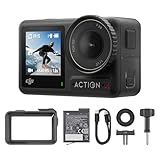
 AKASO EK7000 4K30FPS 20MP WiFi Action Camera withcompact0.9 x 2 x 1.5 inches0.1 PoundsCheck on Amazon
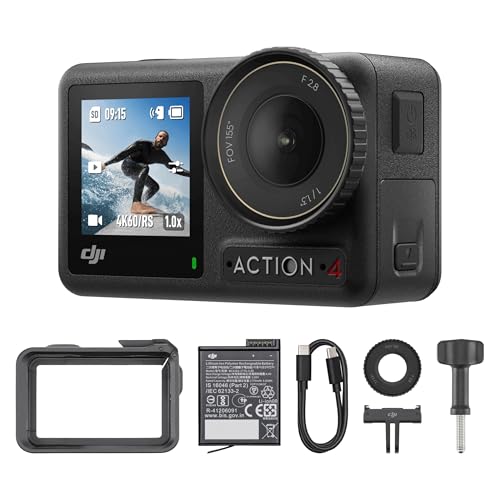


Top 3 picks at a glance
Best action cameras at a glance
| Camera | Best for | Stabilization | Battery and waterproofing | Low-light outlook | Typical market range |
|---|---|---|---|---|---|
| DJI Osmo Action 5 Pro | Hiking, skiing, diving, long days | RockSteady, HorizonSteady | Up to 20 m without a case; roughly 2–4 hours depending on mode and conditions | Very strong for an action camera, helped by its larger sensor | Usually $350–$500 |
| GoPro HERO13 Black | Mountain biking, motorsports, helmet mounting | HyperSmooth, Horizon Lock in supported modes | 10 m without a case; roughly 1.5–3 hours depending on mode and conditions | Good in daylight; needs careful settings at night | Usually $350–$500 |
| Insta360 Ace Pro 2 | Vlogging, skiing, travel, dusk filming | FlowState Stabilization, 360° Horizon Lock in supported modes | 12 m without a case; roughly 1.5–2.5 hours depending on mode and conditions | Among the strongest choices in this group for dim scenes | Usually $400–$550 |
| DJI Osmo Action 4 | Value-focused adventure filming | RockSteady, HorizonSteady | 18 m without a case; roughly 1.5–2.5 hours depending on mode and conditions | Still capable in dim light, although newer models offer more processing headroom | Usually $250–$400 |
Battery figures are practical ranges rather than guarantees. Resolution, frame rate, stabilization, screen brightness, temperature, wind, and wireless features can change runtime substantially. Cold weather can reduce usable capacity, so carry spare batteries for winter trips.
Head-to-head: stabilization and image quality
DJI Osmo Action 5 Pro: the best balanced choice
The Action 5 Pro is the easiest recommendation when one camera must cover several activities. Its electronic stabilization keeps walking, trail running, cycling, and skiing footage controlled, while HorizonSteady is useful when the camera rotates during a turn or fall. Its larger sensor and strong processing also give it an advantage when a forest trail becomes shaded or a ride continues toward sunset.
Choose it over the HERO13 Black when battery endurance, direct underwater use, and dim-scene quality matter more than having the largest established mounting ecosystem. It is also a particularly practical choice for long hikes because the camera can remain compact without immediately requiring a protective housing.
GoPro HERO13 Black: best for mounts and fast-moving subjects
The HERO13 Black remains a strong choice for mountain biking, motocross, climbing, and helmet footage. HyperSmooth stabilization produces a locked-down look at high shutter speeds, and its broad range of official and third-party mounts makes it easy to attach the camera to helmets, handlebars, chest harnesses, vehicles, and specialty rigs.
Its main limitation is low light. Small action-camera sensors need plenty of illumination, and aggressive stabilization can make dark footage look smeared or noisy. For daylight action, however, the HERO13 Black’s familiar controls and mounting options are difficult to beat. Optional lens accessories can also be useful when you need a particular field of view or flare control.
Insta360 Ace Pro 2: best for low light and creator-friendly framing
The Ace Pro 2 is a compelling pick for travel, skiing, and mixed talking-and-action footage. Its flip screen helps when composing yourself in front of the camera, and its processing is designed to preserve more usable detail as light falls. That does not make it a night-vision camera: moving subjects still require light, and high ISO settings can introduce noise.
Its larger body and flip-screen design are less discreet than a conventional small action camera. It also deserves a case for deeper water even though its bare-camera waterproof rating covers ordinary swimming and surface activities.
Match the camera to your adventure
| Your situation | Recommended choice | Why | Settings to start with |
|---|---|---|---|
| Mountain biking in bright daylight | GoPro HERO13 Black | Strong stabilization and extensive handlebar, helmet, and chest mounts | 4K60, high stabilization, shutter around 1/120 if using a manual setting |
| Long hiking or ski day | DJI Osmo Action 5 Pro | Excellent endurance balance, robust waterproofing, and good shadow detail | 4K30 for general footage; 4K60 for fast descents |
| Twilight, forest, or camp footage | Insta360 Ace Pro 2 or Action 5 Pro | Larger-sensor designs and stronger low-light processing than older action cameras | 4K30, moderate stabilization, avoid unnecessary high frame rates |
| Snorkeling or shallow-water filming | Action 5 Pro | Highest bare-camera depth rating among these choices | 4K30 or 4K60; use a floating grip and rinse with fresh water afterward |
| Deep diving or rough water | Any model with its manufacturer’s dive case | A housing provides depth protection beyond the bare-camera rating | 4K30, lock the touchscreen if possible, and use a secure tether |
| One camera for a large existing mount collection | GoPro HERO13 Black | Broadest compatibility with established GoPro-style mounting accessories | Use the mount adapter only when needed; native mounting is usually more secure |
Battery planning: a simple field calculation
Suppose a hike involves four hours of filming opportunities, but the camera records only 40% of the time. That is 4 × 0.40 = 1.6 hours of actual recording. If your selected 4K mode delivers about two hours per battery in the expected temperature, one fully charged battery may cover the shooting time. In practice, take a second battery because screen use, cold weather, repeated starts, stabilization, and short clips consume power outside the nominal recording figure.
For a full-day trip, a useful plan is one battery in the camera, two charged spares, and a USB-C power bank capable of at least 20 W output. Keep spare batteries warm in an inner pocket during winter activities. Turn off wireless connectivity, reduce screen brightness, and use 4K30 instead of 5.3K or 8K-style high-data modes when endurance matters more than cropping flexibility.
Waterproofing and mounting: details that affect the decision
A waterproof rating is not a promise that every activity is safe without a case. The ratings assume clean seals, closed doors, and conditions within the manufacturer’s limits. Salt water, impact, rapid temperature changes, and worn door gaskets increase risk. Rinse the camera with fresh water after ocean use, dry it before opening any door, and use a dive case for scuba depth or high-impact water sports.
Mount position changes the image more than many buyers expect. A helmet mount gives a natural point-of-view perspective but transfers head movement directly into the footage. A chest mount usually looks smoother and shows the rider’s arms or handlebars. A handlebar mount is convenient but can transmit high-frequency vibration; use a short, rigid mount and check that the camera is not angled too far toward the ground.
For motorcycles, cars, and bikes, use a safety tether even when the primary mount feels secure. Avoid placing the camera where it blocks controls, airbags, or your field of view. The best action cameras are only useful if their mounting system survives the activity.
Low-light settings that usually work better
- Use 4K30 rather than 4K60. A lower frame rate gives each frame more exposure time, which can reduce noise in forests, streets, and campsites.
- Do not over-stabilize a static scene. Electronic stabilization needs image information and motion to analyze. For a locked-off camp or indoor shot, a tripod and moderate stabilization can look cleaner.
- Keep shutter speed reasonable. At 30 fps, begin around 1/60 second for moving footage. A slower shutter may brighten the image but can create motion blur.
- Add light for faces. A small diffused LED placed off-axis often improves a talking shot more than switching to a higher resolution.
- Use a flat or log-like profile only when you will edit. These profiles preserve grading flexibility but can look dull and noisy without proper exposure and color correction.
Which action camera should you buy?
Buy the DJI Osmo Action 5 Pro if you want the best all-round balance of stabilization, battery life, waterproofing, and low-light performance. Choose the GoPro HERO13 Black when mounting flexibility and fast daytime action are the priorities. Choose the Insta360 Ace Pro 2 for creator-focused framing and the strongest dim-scene option among these recommendations. If the budget is tighter, the DJI Osmo Action 4 remains a sensible value choice, especially when purchased with spare batteries and the mounts you actually need.
Before buying, budget for batteries, a high-endurance microSD card, a floating grip for water, and a protective or dive case where appropriate. Those accessories often determine whether a camera is ready for the adventure rather than merely capable of recording it.
Frequently asked questions
Can I use my existing GoPro-style mounts with the HERO13 Black?
Yes, the GoPro HERO13 Black is the best choice when you already own a large collection of GoPro-style mounting accessories. Its broad compatibility covers helmets, handlebars, chest harnesses, vehicles, and specialty rigs. Use the mount adapter only when necessary, because native mounting is usually more secure. A safety tether is still advisable for motorcycles, cars, and bikes.
Should I carry spare batteries on a cold-weather trip?
Yes, carry spare batteries because cold weather can reduce usable capacity. For a full-day trip, the article recommends one battery in the camera, two charged spares, and a USB-C power bank capable of at least 20 W output. Keep spare batteries warm in an inner pocket, and reduce screen brightness or wireless connectivity when endurance matters.
What should I do after filming in salt water?
Rinse the camera with fresh water after ocean use and dry it before opening any door. Salt water, impacts, rapid temperature changes, and worn door gaskets can increase waterproofing risk. Make sure all doors are closed and seals are clean. For scuba depth or high-impact water sports, use the manufacturer’s dive case rather than relying on the bare-camera rating.
Is an action camera suitable for filming myself while traveling?
Yes, the Insta360 Ace Pro 2 is especially suitable for travel and talking-and-action footage because its flip screen helps you compose yourself in front of the camera. Its larger body and flip-screen design are less discreet than a conventional small action camera. For dim scenes, use 4K30, moderate stabilization, and add light for faces when possible.
How can I make motorcycle or bicycle footage safer and steadier?
Use a short, rigid mount, check the camera angle, and attach a safety tether even when the primary mount feels secure. Handlebar mounts can transmit high-frequency vibration, while chest mounts usually produce smoother footage. Avoid blocking controls, airbags, or your field of view. For bright daylight mountain biking, 4K60 and high stabilization are recommended starting settings.