The best pool heaters for extended seasons are usually a gas heater for fast, reliable heating in cold weather, a heat pump for lower operating cost in mild weather, or a solar system when the pool can spare enough roof or ground area and you can accept slower, weather-dependent heating.
As an Amazon Associate we earn from qualifying purchases at no extra cost to you.


Our Top Picks
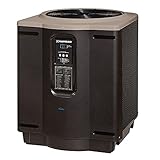
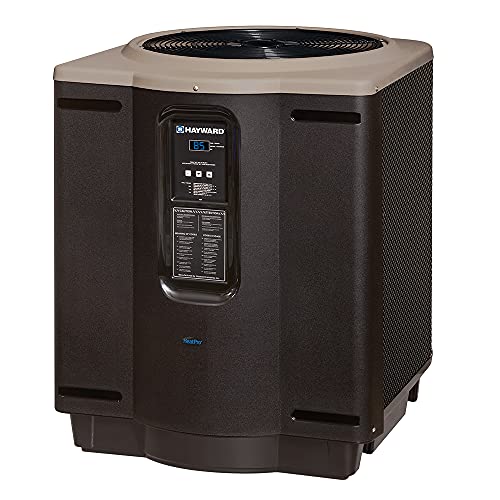 Hayward HeatPro Pool Water Heat Pump Heater for140,000 BTU (W3HP21404T)40 x 31.5 x 50 inches320 PoundsCheck on Amazon


Top 3 picks at a glance
Quick comparison: gas vs. electric heat pump vs. solar
| Heater type | Typical purchase range | Operating cost pattern | Best outdoor conditions | Main limitation |
|---|---|---|---|---|
| Natural gas or propane heater | Usually $2,000–$5,000 for the heater, before installation | High fuel use, but fast heating and predictable output | Cold air, short notice, and large temperature increases | Fuel cost and substantial gas-line or propane capacity |
| Electric heat pump | Usually $3,000–$7,000 for the unit, before installation | Often the lowest cost per hour of maintained heat | Air temperatures above roughly 50–55°F | Heating slows sharply in cold, damp weather |
| Solar pool heating | Usually $3,000–$8,000 installed, depending on collector area | Very low ongoing energy cost | Sunny climates with long shoulder seasons | Needs large collector area and sunlight; no heat at night |
| Hybrid setup | Usually $5,000–$12,000 or more | Solar or heat pump handles routine heating; gas handles cold snaps | Variable climates and long seasons | Highest installation complexity and upfront cost |
For a pool that must be warm on demand in early spring or late autumn, a gas heater is the safest choice. For keeping a pool open for months without rapid heat-ups, an electric heat pump is usually more economical. Solar is the lowest-energy-cost option when local sunlight, roof space, and nighttime heat retention are favorable.
How much heater capacity does your pool need?
Pool-heater sizing depends on water volume, desired temperature rise, heating time, wind, humidity, cover use, and the pool’s exposed surface area. Gallons alone are not enough: a compact, deep pool loses heat differently from a wide, shallow pool with a large surface.
A useful first calculation is:
Required BTU per hour = gallons × 8.34 × desired temperature rise ÷ heating hours ÷ heater efficiency
Suppose a 20,000-gallon pool needs to rise from 60°F to 80°F in 24 hours using a 90% efficient gas heater:
20,000 × 8.34 × 20 ÷ 24 ÷ 0.90 = approximately 128,000 BTU/h
That result only covers the initial temperature increase. It does not fully account for evaporation, wind, cold nights, plumbing losses, or opening the cover. In practice, a 20,000-gallon pool in a cool or windy area might use a 250,000–300,000 BTU/h gas heater for faster recovery and better cold-weather performance. A smaller heater can work, but it may run continuously during the first warm-up.
| Pool volume | Approximate gas-heater class | Heat-pump class | Typical use case |
|---|---|---|---|
| Up to 10,000 gallons | 100,000–150,000 BTU/h | 50,000–90,000 BTU/h | Small pools and spas with modest temperature increases |
| 10,000–20,000 gallons | 150,000–250,000 BTU/h | 90,000–140,000 BTU/h | Typical residential pools with a cover |
| 20,000–30,000 gallons | 250,000–400,000 BTU/h | 120,000–140,000 BTU/h | Large pools or faster spring and autumn recovery |
| 30,000–40,000 gallons | 300,000–500,000 BTU/h | 140,000 BTU/h or multiple units | Large pools, commercial-style usage, or cold climates |
These are starting ranges, not replacement specifications. Have the installer verify gas pressure, electrical service, plumbing flow, altitude derating, and local code requirements before choosing the final size.
Best gas heater choices for long seasons
Hayward Universal H-Series
The Hayward Universal H-Series is a strong fit when fast heating and broad residential compatibility matter most. It is available in several capacity classes and is designed for use with either natural gas or propane depending on the model. Gas heaters of this type are useful when the pool is cold, the weather is unpredictable, or you want to heat the water for a specific weekend rather than maintain it continuously.
Choose a higher-capacity version when your pool is uncovered, exposed to wind, or used with a large temperature increase. A pool cover remains essential: the heater replaces heat lost through evaporation, but it cannot make an uncovered pool economical in cold weather.
Pentair MasterTemp
The Pentair MasterTemp is another practical gas option for homeowners who want relatively rapid heat-up and controls that integrate with common pool automation systems. It is particularly sensible when the existing equipment pad already uses Pentair controls and plumbing components.
Raypak Digital gas heaters
Raypak Digital heaters are worth considering for installations where simple, durable gas-heating equipment and serviceability are priorities. Select the correct fuel type and confirm that the available gas supply can deliver the heater’s input rating while other household appliances are operating.
Gas is not automatically the best cold-weather choice if the gas line is undersized. A heater that repeatedly fails to maintain inlet pressure may cycle, shut down, or deliver less practical performance than its label suggests.
Best electric heat pumps for maintaining an extended season
Pentair UltraTemp
The Pentair UltraTemp is designed for efficient, gradual heating rather than instant temperature changes. Heat pumps move heat from outdoor air into the pool, so their efficiency is often described by a coefficient of performance, or COP. A COP of 5 means the unit delivers roughly five units of heat for each unit of electrical energy under favorable test conditions.
Hayward HeatPro
Hayward HeatPro models are a good match for pools that already use Hayward circulation and automation equipment. They can substantially reduce running costs compared with resistance heating or frequent gas operation, but their output and COP decline as outdoor air gets colder.
Raypak Crosswind
Raypak Crosswind heat pumps target residential pools that need a quieter, lower-cost method of maintaining temperature. They are most effective when paired with a solar cover and a schedule that allows several hours of operation each day.
Do not compare a heat pump’s advertised BTU output with a gas heater’s rating without checking the test conditions. A heat pump’s capacity may be listed at warm, humid air temperatures; its output at 50°F can be much lower.
When solar heating is the better answer
Solar pool heating can be excellent for extending the season in sunny regions, especially when the objective is to add several degrees rather than heat a cold pool overnight. Unglazed polypropylene collectors are common for pools because they provide useful heat at relatively low cost and can be mounted on a roof, rack, or nearby ground structure.
A practical starting point is collector area equal to 50–70% of the pool’s surface area in warm, sunny climates. Cooler or windier locations may need 70–100% or more. For a 400-square-foot pool surface, that means approximately 200–400 square feet of solar collector.
Solar works best with a bypass valve, temperature sensors, and a cover. The controller should send water through the collectors only when they are warmer than the pool; otherwise, the system can cool the water instead of heating it.
Cold-weather efficiency: the details that change the decision
- Use a cover whenever the pool is not occupied. Evaporation is usually the largest heat loss. A cover can matter more than moving from one heater model to another.
- Reduce wind exposure. Wind across the water surface accelerates evaporation. Fencing, landscaping, and correct cover fit can improve real-world performance.
- Expect heat pumps to slow below about 50–55°F. Some models continue operating at lower temperatures, but capacity, efficiency, and defrost behavior become less favorable.
- Keep filters clean and flow within specifications. Restricted flow can trigger heater faults or reduce heat transfer.
- Check plumbing freeze protection. Cold-weather operation is not the same as freeze protection. Automation should circulate water according to the equipment manufacturer’s instructions, and exposed plumbing may need additional protection.
- Account for humidity and defrost cycles. In cold, damp air, a heat pump may periodically reverse operation to melt frost from its coil, temporarily reducing heating output.
Choose by situation, not just by BTU rating
| Your situation | Best starting choice | Why |
|---|---|---|
| Pool must heat quickly for occasional use | Gas heater | High output and predictable heating regardless of mild overnight temperatures |
| Pool remains warm most days from spring through autumn | Electric heat pump | Lower operating cost when outdoor air is warm enough |
| Sunny location with available roof or rack space | Solar heating, possibly with a backup heater | Very low ongoing energy consumption |
| Cold shoulder seasons plus occasional summer use | Heat pump with gas backup | Efficient routine heating with rapid recovery during cold snaps |
| Uncovered, windy pool | Cover first, then size the heater | Reducing heat loss can save more than buying a larger heater |
Frequently asked questions
Will a pool heater keep an uncovered pool warm in cold weather?
It can, but an uncovered pool may lose heat quickly, especially in wind. The article identifies evaporation as usually the largest heat loss and recommends using a cover whenever the pool is not occupied. A cover can matter more than switching between heater models, and an exposed pool may need a higher-capacity heater.
Can a heat pump heat a pool quickly from cold?
A heat pump is designed for gradual heating, not rapid temperature changes. Its output and efficiency decline as outdoor air gets colder, and heating slows sharply in cold, damp weather. For a fast heat-up in early spring or late autumn, the article recommends considering a gas heater.
Does a heat pump’s advertised capacity reflect its output in cold weather?
Not necessarily; the advertised capacity may be measured in warm, humid air, and output at 50°F can be much lower. Heat pumps may also spend time defrosting in cold, damp conditions, temporarily reducing heating output. Check the conditions behind the rating before comparing it with a gas heater’s rating.
How large should a solar pool-heating collector be?
A starting point is collector area equal to 50–70% of the pool’s surface area in warm, sunny climates. Cooler or windier locations may need 70–100% or more. Solar heating also works best with a cover, temperature sensors, and a bypass valve that prevents water from flowing through cooler collectors.
What should an installer verify before choosing a heater?
Ask the installer to verify gas pressure, electrical service, plumbing flow, altitude derating, and local code requirements. For gas heaters, also confirm that the gas supply can support the heater while other household appliances are operating. The article cautions that an undersized gas line can limit practical performance.
Final buying checklist
- Measure pool volume and surface area rather than relying on a guess.
- Calculate the desired temperature rise and acceptable warm-up time.
- Compare gas input, heat-pump output at realistic outdoor temperatures, and solar collector area.
- Confirm fuel type, electrical breaker requirements, gas-line capacity, and minimum flow rate.
- Budget for installation, pad or equipment changes, venting, valves, automation, and permits.
- Buy or repair a well-fitting pool cover before oversizing the heater.
For most extended-season pools, the best overall strategy is a properly sized electric heat pump paired with a high-quality cover. Choose gas when fast heating and cold-weather reliability matter more than fuel cost, and choose solar when sunlight and collector space are abundant. A hybrid system makes the most sense when the pool must stay usable across a wide range of weather rather than only during warm, sunny months.