Our Top Picks
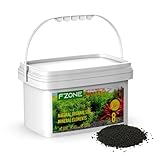
 Fluval Plant and Shrimp Stratum Aquarium Substrate8.8 Pound (Pack of 1)3 x 8 x 15 inches8.8 PoundsCheck on Amazon
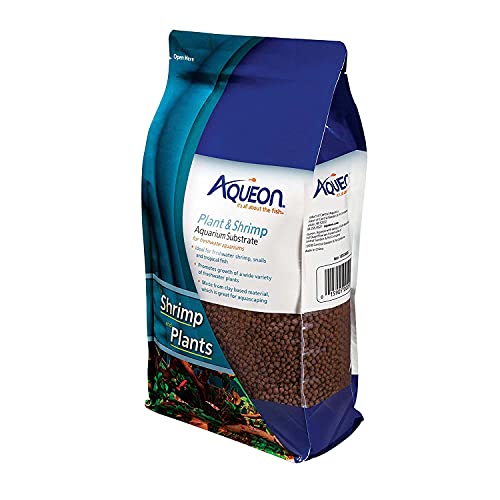

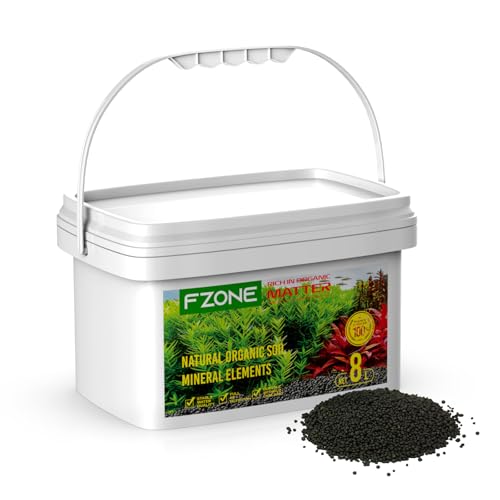
Top 3 picks at a glance

Best planted aquarium substrate: the short answer
The best planted aquarium substrate for most plant-focused freshwater tanks is a fine-grained, nutrient-rich aquasoil, particularly if you plan to grow rooted plants and can manage its initial effects on water chemistry. For a low-maintenance tank with hardy plants, inert gravel or sand paired with root tabs is often the safer choice. The right pick depends less on a “best” label than on what you’re growing, how much substrate the tank needs, and whether its pH and hardness effects suit your fish.
Soil, gravel, and aquasoil compared
These materials are not interchangeable. Ordinary garden or potting soil can contain fertilizers, compost, and additives that make it unsuitable for an aquarium. Aquarium soil products are designed for aquatic use, but their nutrient levels and buffering strength still vary. Check the product instructions and water parameters before adding one.
As an Amazon Associate we earn from qualifying purchases at no extra cost to you.
| Substrate type | Nutrients for roots | Typical grain size | Effect on pH and hardness | Best fit |
|---|---|---|---|---|
| Inert aquarium gravel | Low; add root tabs for heavy root feeders | About 2–5 mm | Usually little effect if aquarium-safe and non-calcareous | Easy maintenance, beginner tanks, plants attached to décor |
| Inert aquarium sand | Low; root tabs may be needed | About 0.2–2 mm | Usually little effect if it does not contain reactive minerals | Burrowing fish, fine-rooted plants, a smooth foreground |
| Aquarium soil | Varies; some types contain organic nutrients | Often roughly 1–4 mm | Depends on composition; test rather than assume | Rooted plants when you want a natural-looking base |
| Active aquasoil | Generally nutrient-rich, though products differ | Commonly around 1–4 mm | Many types lower pH and carbonate hardness (KH) | Root-feeding plants and tanks kept with compatible soft-water species |
Grain-size ranges are approximate, not standards: brands differ, and mixed-size granules behave differently from uniform grains. A substrate described as “soil” is not automatically active, nutrient-rich, or safe for every aquarium.
Match the substrate to the plants and tank
| Your setup | Practical choice | Why |
|---|---|---|
| Anubias, Java fern, or moss attached to wood or rock | Inert gravel or sand | These plants mainly take nutrients from the water; planting them in soil is unnecessary. |
| Rooted rosettes or carpeting plants in a planted layout | Aquasoil, or inert substrate with root tabs | A nutrient-rich bed makes root access easy; tabs are a lower-commitment alternative. |
| Goldfish or other fish that dig and uproot plants | Rounded, inert gravel or sand with robust plants | It avoids exposing a nutrient-rich bed and is easier to replant after digging. |
| Hard, alkaline tap water and fish that need stable high KH | Inert, aquarium-safe substrate | Active aquasoil may reduce KH and pH, complicating water stability. |
| Small tank with limited maintenance time | Inert substrate, or a modest aquasoil bed with a planned water-change routine | Smaller water volumes can show chemistry shifts more quickly. |
How much substrate does your tank need?
Calculate volume before buying. Use internal tank dimensions, because glass thickness and the waterline reduce the actual footprint. A useful estimate is:
Substrate volume in liters = length in cm × width in cm × average depth in cm ÷ 1,000.
For a tank with a 60 × 30 cm footprint and a 5 cm average bed, that is 60 × 30 × 5 ÷ 1,000 = 9 liters. A sloped layout may use less than a uniform 5 cm layer, while a raised back section uses more. Buy according to the product’s stated coverage or volume; dry granules do not all pack to the same depth.
For many planted layouts, roughly 4–6 cm at the front and 6–8 cm at the back gives roots room while creating perspective. These are starting points, not rules: shallow-rooted plants need less, and deep-rooted plants may need more. Avoid piling fine substrate so deeply that it becomes difficult to maintain or develops compacted, stagnant pockets.
Choose by grain size, not appearance alone
Grains around 1–4 mm are a versatile range for many planted tanks: roots can spread through them, and small plants are less likely to float away than in very coarse gravel. Fine sand can look clean and is comfortable for fish that sift the bottom, but it compacts more readily. Coarse gravel leaves larger spaces where food and waste can collect, and delicate plants may be harder to anchor.
If you keep burrowing fish, avoid sharp-edged gravel. For a mixed setup, consider a fine, aquarium-safe sand or rounded gravel rather than choosing solely for the plants. Do not cap active aquasoil with a thick layer of fine sand without a reason: the layers can mix during planting, and a dense cap may make maintenance less convenient.
Check buffering before buying aquasoil
Active aquasoils commonly bind some carbonate hardness and lower pH, but the size and duration of the effect vary by product, source water, and maintenance. This can suit plants and livestock that prefer softer, mildly acidic water. It can be a poor match for species that need consistently higher KH, or for tap water that already takes effort to keep stable.
Before committing, measure your tap water’s pH and KH, then compare the substrate maker’s guidance with the needs of your fish and shrimp. If you use active soil, test the aquarium during its first weeks rather than assuming the water will match the tap. Follow the product’s setup instructions; some soils release nutrients or cloud the water initially, and an early water-change schedule may be recommended. Do not add livestock until the tank’s water parameters are stable and suitable.
A practical setup plan
- Choose for the plants and livestock together. A substrate that feeds roots is not worth destabilizing water conditions for fish that need different chemistry.
- Rinse only when the instructions allow it. Rinsing some substrates removes dust; rinsing active aquasoil can break granules or wash away useful material.
- Plant before filling fully. Add enough water to keep the substrate damp, place rooted plants with tweezers, then fill slowly over a plate or plastic bag to reduce disturbance.
- Use root tabs selectively. Inert gravel and sand provide little nutrition. Tabs can help heavy root feeders, but follow the label and avoid overloading the bed.
- Track water chemistry after setup. Check pH and KH especially when using active soil, and make changes gradually if readings move outside the range your livestock can tolerate.
Frequently asked questions
Can I use ordinary garden or potting soil in a planted aquarium?
No, ordinary garden or potting soil is unsuitable for an aquarium because it may contain fertilizers, compost, and additives. Aquarium soil products are designed for aquatic use, but their nutrient levels and buffering strength vary. Check the product instructions and water parameters before adding any soil or aquasoil to your tank.
Should I rinse aquarium substrate before putting it in the tank?
Rinse substrate only when the product instructions allow it. Rinsing some substrates can remove dust, but rinsing active aquasoil may break its granules or wash away useful material. Following the manufacturer’s setup guidance is especially important when using an active substrate that may release nutrients or cloud the water initially.
Do I need root tabs with inert gravel or sand?
You may need root tabs if you grow heavy root feeders in inert gravel or sand, because these substrates provide little nutrition. Root tabs are not necessary for every plant, particularly plants attached to wood or rock that mainly take nutrients from the water. Follow the label and avoid overloading the substrate bed.
When should I add fish or shrimp after setting up active aquasoil?
Wait until the aquarium’s water parameters are stable and suitable for the livestock before adding fish or shrimp. Active aquasoil can initially release nutrients, cloud the water, and alter pH or KH. Follow the product’s setup instructions, use any recommended early water-change schedule, and check the water during the first weeks.
How should I plant the aquarium without disturbing the substrate?
Plant before filling the aquarium fully. Add enough water to keep the substrate damp, place rooted plants with tweezers, and then fill slowly over a plate or plastic bag to reduce disturbance. This approach can help keep the substrate in place while you position plants, particularly in a sloped layout or a bed with different depths.
Bottom line
Choose active aquasoil for a plant-heavy layout with rooted species when its buffering effect suits your water and livestock. Choose inert gravel or sand for easier chemistry control, low-demand plants, or a tank where fish dig; add root tabs if rooted plants need more nutrition. For most setups, a moderate bed of roughly 4–6 cm at the front, grains near 1–4 mm, and a substrate matched to the tank’s measured water chemistry is a more useful starting point than buying the richest or most expensive option.