Our Top Picks
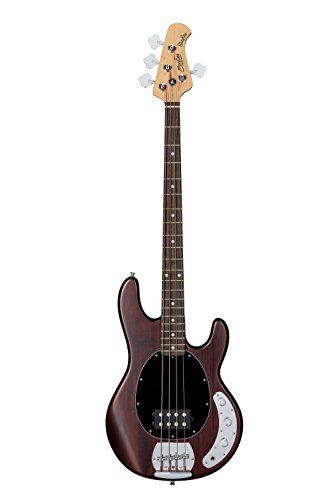 Sterling by Music Man StingRay Ray4 Bass GuitarFull size45 x 1.5 x 13.5 inches9 poundsCheck on Amazon
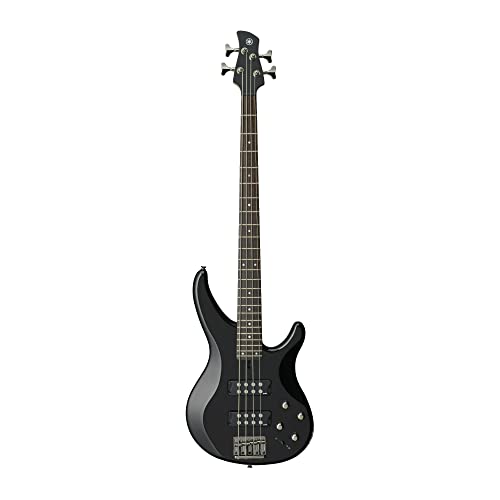

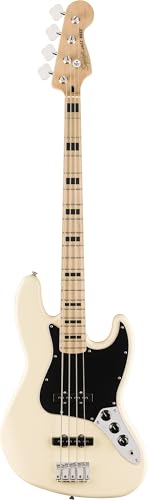
Top 3 picks at a glance


Best active bass guitars for different playing styles
The best active bass guitars are the ones whose pickup layout, onboard EQ, scale length, and balance fit your playing and your willingness to manage a battery; for the broadest range of tones, start with a long-scale PJ or dual-humbucker model with a switchable active/passive circuit.
Active electronics use a battery-powered preamp to shape and boost the signal before it reaches your amp or interface. That can mean useful EQ controls and more output, but it also adds a battery to maintain—and it does not automatically make a bass sound better. A well-matched passive bass can be just as effective.
As an Amazon Associate we earn from qualifying purchases at no extra cost to you.

Choose by playing style, not by knob count
| Playing situation | Useful configuration | Scale and balance to consider | Why it fits |
|---|---|---|---|
| Rock, punk, and pick playing | PJ pickups or a humbucker near the bridge | 34-inch long scale; check neck dive while standing | The split-coil pickup offers a strong, familiar midrange; a bridge pickup adds definition when you need it. |
| Slap, pop, and modern funk | Two pickups, commonly dual humbuckers or a J-style pair | 34-inch long scale; body should stay level on a strap | Pickup blending and a three-band EQ make it easier to find bright attack without losing low-end weight. |
| Gospel, session, and varied cover work | PJ or dual-humbucker bass with active/passive switching | Choose the scale you can play comfortably for long sets | More pickup combinations cover contrasting sounds; passive mode is a useful fallback if the battery runs flat. |
| Small hands, short reach, or travel | Active PJ or humbucker-equipped short-scale model | Often 30–32 inches; assess strap balance, not just total weight | Shorter fret spacing can reduce stretch. The preamp helps shape the sound, but does not change the instrument’s underlying feel. |
| Low tunings and extended-range parts | Multi-string or extended-range bass with a suitable preamp | Longer scale or multi-scale design can help maintain string tension | More string tension can make low notes feel firmer; verify that your strings and setup suit the intended tuning. |
These are starting points, not rules. For example, a PJ does not have to be a rock bass: blending its pickups and adjusting the EQ can work well in many styles. Your amp, strings, picking position, and playing touch remain important parts of the final sound.
How pickup layouts and preamps change your options
PJ: useful contrast in a familiar layout
A PJ combines a split-coil pickup in the neck position with a single-coil-style pickup near the bridge. It can cover a rounded, forceful sound as well as a more focused bridge-pickup tone. Some players hear extra hum in certain single-coil pickup settings; the exact behavior depends on the pickup design and wiring. Look for separate pickup controls if blending matters to you.
Dual humbuckers: broad range, more decisions
Two humbuckers can produce thick sounds with good resistance to electrical noise. Many models provide pickup selection or blending, plus a preamp with bass, mid, and treble controls. That range is useful for slap, modern rock, and varied set lists, but it is easy to over-boost every band and end up with a less clear sound. Use the EQ to correct or emphasize specific frequencies, rather than treating every knob as a volume control.
J-style pairs: definition and blending
A pair of J-style pickups can give you a clear bridge-focused tone or a fuller sound with both pickups engaged. Active versions add onboard shaping, though the pickup character still matters. If a model offers a mid-frequency selector, check what frequencies it actually targets: a sweepable mid control is more flexible than a fixed-frequency boost or cut.
For maximum flexibility, check four things before buying: whether the preamp can be bypassed, whether the output remains usable in passive mode, whether the EQ has a center detent or neutral position, and whether the battery compartment is easy to reach. An active/passive switch can save a performance if the battery dies, but passive mode may have a different output level or tone.
Scale length, weight, and balance: comfort beyond the spec sheet
Many standard basses use a 34-inch scale, while short-scale models are often around 30 inches. Scale length is the distance from the nut to the bridge, and it affects fret spacing and string feel. A shorter scale can make stretches more comfortable, but the same string set may feel looser; a setup or string change can help. For low tunings, longer scale lengths can provide firmer tension, though strings and setup matter too.
Weight alone does not tell you whether a bass will be comfortable. A lighter instrument can still pull its neck toward the floor if the body and strap-button positions do not counterbalance it. If possible, try the bass standing with your usual strap. Let go of the neck briefly: if it drops or rotates, neck dive may become tiring during a long rehearsal. A wide strap can spread the load, but it cannot fix every balance problem.
Battery life: calculate a practical replacement schedule
Active basses commonly use a 9-volt battery, but runtime varies with the preamp, battery quality, and use. A key detail is the instrument cable: on many active basses, plugging in completes the battery circuit, so leaving the cable connected can drain the battery even when the bass is not being played. Unplug it after use and check the manual for the model’s exact wiring.
Here is a planning example, not a guaranteed runtime: if a preamp draws 1 mA and a battery provides 500 mAh under the relevant conditions, the simple estimate is 500 mAh ÷ 1 mA = 500 hours. At 10 hours of use each week, that is roughly 50 weeks. Real batteries do not always deliver their rated capacity in this application, so treat the result as an upper-level estimate, not a promise. Keep a spare battery in your case, and replace it if the signal becomes weak or distorted.
Shortlist by model type
- Yamaha TRBX304: A four-string, 34-inch active bass with two humbuckers and onboard tone-shaping options. Consider it if you want multiple pickup and sound choices without stepping up to a highly specialized instrument.
- Ibanez SR300E: A 34-inch Soundgear model with dual PowerSpan humbuckers and a three-band active EQ. Its slim-neck approach suits players who prioritize reach and a relatively streamlined feel; still check how the body balances on your strap.
- Sterling by Music Man SUB StingRay Ray4: A 34-inch, single-humbucker bass with active electronics. It is a more focused choice than a multi-pickup instrument, aimed at players who want a punchy bridge-area humbucker sound rather than many pickup combinations.
- Ibanez SR Mezzo SRMD200: A 32-inch active short-scale option with two pickups. It can suit players who prefer closer fret spacing while retaining a more conventional bass layout. Confirm the exact EQ and switching features on the particular version before buying.
- Yamaha TRBX605FM: A five-string, 34-inch active/passive model with two humbuckers. It is worth considering for players who need a low B string and want the option to bypass the preamp; check the instrument’s weight and balance before committing to a five-string.
Specifications can change between production years and regional versions. Verify pickup switching, preamp controls, battery type, and passive operation for the exact model and year you are considering.
A final decision checklist
- Need one bass for several genres? Favor a PJ or dual-pickup model with useful blending and, ideally, active/passive switching.
- Play mostly one signature sound? A simpler layout may be easier to use and quicker to adjust on stage.
- Prioritize comfort? Compare scale length, total weight, and strap balance separately; none predicts the others completely.
- Use the bass for gigs or recording? Check whether the EQ has a neutral setting, whether the controls are quiet, and whether the battery compartment is practical.
- Play in a low tuning? Confirm scale length, string compatibility, and setup requirements for that tuning before choosing based on pickup or EQ features alone.
The best active bass is not necessarily the one with the most controls. It is the one that stays comfortable, gives you the pickup choices your music needs, and offers an EQ you can use quickly—while making battery care easy to remember.
Frequently asked questions
Do active basses always sound better than passive basses?
No, an active bass does not automatically sound better than a passive bass. Its battery-powered preamp can provide useful EQ controls and more output, but it also requires battery maintenance. A well-matched passive bass can be just as effective. Your amp, strings, picking position, and playing touch also contribute substantially to the final sound.
What happens if the battery dies during a performance?
An active/passive switch can help if the battery dies, but passive mode may produce a different output level or tone. The output must remain usable in passive mode for this to be a practical fallback. Keep a spare battery in your case, and unplug the instrument cable after use because it can complete the battery circuit on many active basses.
How can I tell whether an active bass will have neck dive?
Try the bass standing with your usual strap, and briefly let go of the neck. If the neck drops or the instrument rotates, it may become tiring during a long rehearsal. Total weight alone is not enough to predict comfort, because body shape and strap-button positions affect balance. A wide strap may spread the load but cannot fix every balance problem.
What should I check before buying a bass for low tuning?
Check the scale length, string compatibility, and setup requirements for the intended tuning. Longer scales can provide firmer string tension, while multi-string or multi-scale designs may suit extended-range parts. The strings and setup still matter, so do not choose based only on pickup or EQ features. Confirm that the intended strings and instrument setup support the tuning.
How do I use an active bass EQ without making the sound unclear?
Use the EQ to correct or emphasize specific frequencies rather than boosting every band. Dual-humbucker models may offer bass, mid, and treble controls, while some models include a mid-frequency selector. A sweepable mid control is more flexible than a fixed-frequency boost or cut. Before buying, check whether the EQ has a center detent or neutral position.