Our Top Picks
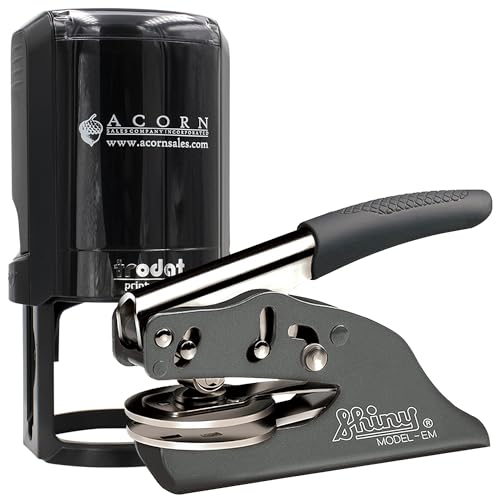
Best notary public supply kits at a glance
The best notary public supply kit is one that meets your state’s rules first, then gives you a durable, legible stamp, a usable journal, and a case that suits how often you travel. For most new notaries, a state-specific starter kit with a self-inking stamp, a journal with enough room for required entries, and a protective case is the practical choice. Mobile notaries should prioritize a compact, secure setup and a reliable refill path; high-volume notaries may be better off buying a heavier-duty stamp and journal separately.
There is no universal “best” kit: stamp wording, journal rules, and even whether a journal is required vary by state. Treat bundled accessories as convenience items—not proof that the kit is legally compliant.
As an Amazon Associate we earn from qualifying purchases at no extra cost to you.
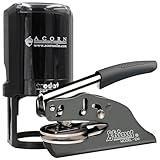
Compare kit types before you buy
| Kit type | Typical contents | Best fit | Watch for |
|---|---|---|---|
| Basic state-specific | One stamp, one journal, often an ink pad or pouch | New notary with a modest appointment volume | Confirm the stamp’s exact state-required wording and journal layout |
| Mobile appointment kit | Compact stamp, portable journal, protective case, sometimes loose certificates | Notaries who travel to clients | A small case can protect tools but may not securely store completed records |
| High-volume setup | Durable stamp, larger journal, spare ink or pad, organized storage | Frequent signings or office use | Bundled journals may run out quickly; check replacement availability and cost |
| Build-your-own | Separately selected stamp, journal, ink, and case | Experienced notary or anyone with specific workflow needs | More responsibility to verify every item against current state rules |
What matters most when comparing kits
1. State compliance and stamp quality
Check your commissioning authority’s current requirements before choosing a kit. States can specify the seal’s shape, dimensions, required text, commission expiration date, and whether an embosser, ink stamp, or either is acceptable. Some require a journal; others do not. Rules can change, so a product labeled “state-specific” is a starting point, not a substitute for checking official guidance.
For the stamp, look for a clear impression at the actual print size, not just a sharp product image. Fine text needs to remain readable without filled-in letters or broken lines. Self-inking stamps are convenient for repeated use and keep the pad enclosed; pre-inked models can be compact and produce clean impressions but may have a different refill method. A traditional stamp and separate pad are simple to inspect and replace, but take more room and can be messier to carry.
Ask whether the stamp body is replaceable or only the ink pad, and whether replacement parts are available for that exact model. A low initial price is less attractive if a worn stamp requires replacing the entire unit.
2. Journal layout, capacity, and privacy
Choose a journal whose columns match the entries your state requires and your working process. Common fields include the date and type of notarization, signer details, identification method, and signature, but requirements differ. Avoid assuming that a generic log is compliant just because it is called a notary journal.
Capacity is more useful than page count alone. As a planning estimate, a 100-entry journal lasts about 20 months at five notarizations per week, or 10 months at ten per week. That estimate assumes one entry per notarization; your state or procedure may call for more than one entry in a particular situation. If you handle multiple signers or notarizations in one appointment, check how the journal instructions address those cases.
For mobile work, a hard cover and pages that lie flat can make entries easier to complete at a client’s table. For an office, a larger format may be more comfortable to write in and easier to keep organized. Since journals can contain sensitive personal information, consider how they close, where they will be stored, and whether the cover or binding helps prevent pages from being removed unnoticed.
3. Ink durability and refill costs
Ink must produce an impression that is legible on the documents you commonly handle. Smudging, fading, and show-through can depend on the ink, paper coating, drying time, and how the stamp is stored—not just the brand. If possible, check the stamp maker’s guidance on compatible ink and avoid substituting a different formula without confirmation; the wrong ink can damage the pad or produce a poor impression.
Estimate ongoing cost before buying a kit. For example, if a replacement pad costs $8–$15 and lasts roughly 3,000 impressions, the ink cost is about $0.003–$0.005 per impression, before shipping or the cost of the stamp. That is a planning example, not a guaranteed pad lifespan: actual yield depends on the stamp, ink, storage, and impression habits. If a refill kit costs $12 and supplies two pads, compare its per-pad cost with a compatible single replacement, rather than judging by the package price.
4. Carrying case and working layout
A case is valuable when it keeps the stamp from being pressed accidentally, separates clean tools from paperwork, and makes the journal easy to reach. For occasional travel, a zippered pouch with a fitted stamp compartment may be enough. Frequent mobile notaries may prefer a structured case with room for the journal, loose certificates, pens, and spare ink. Do not store a stamp where pressure can cause an impression inside the case, and keep ink away from documents.
A carrying case is not necessarily secure records storage. Keep completed journals and sensitive documents under your control, and follow your state’s rules for retention, transfer, or disposal.
Choose by workload and working style
| Your situation | Most suitable setup | Why |
|---|---|---|
| New commission; occasional notarizations | State-specific basic kit with one compliant stamp and a correctly formatted journal if required | Limits unused extras while covering core tools |
| Several mobile appointments each week | Compact self-inking or pre-inked stamp, durable journal, structured protective case | Reduces setup time and keeps tools organized during travel |
| Frequent office notarizations | Stamp with readily available replacement pads plus a higher-capacity journal | Makes replenishment predictable and reduces journal changes |
| State rules or workflow do not fit bundled layouts | Build-your-own after checking official requirements | A tailored journal and stamp can avoid paying for unsuitable extras |
How to verify a kit before ordering
- Check official state guidance: Confirm seal specifications, required wording, journal rules, and any retention requirements.
- Match the stamp proof to the rules: Review the exact imprint text, size, shape, and included expiration date before approving personalization.
- Inspect the journal fields: Compare its entry columns with your state’s requirements, not just the product description.
- Price the refill path: Find the compatible pad or ink, typical replacement interval if provided, and whether the stamp can be serviced without replacing the whole unit.
- Check the case against your workflow: Make sure it fits the journal and leaves room for the documents or accessories you actually carry.
Frequently asked questions
Does every notary need to keep a journal?
No; whether a journal is required depends on your state. Check your commissioning authority’s current guidance before buying a kit, and make sure any journal you choose has fields that match your state’s requirements. A journal labeled for notaries is not, by itself, proof that its layout complies.
How long might a journal with 100 entries last?
As a planning estimate, a 100-entry journal lasts about 20 months at five notarizations per week, or 10 months at ten per week. This assumes one entry per notarization; your state or procedure may require more than one entry in some situations. Check how the journal instructions handle multiple signers or notarizations during one appointment.
Can I use any replacement ink or pad with my stamp?
No; check the stamp maker’s guidance on compatible ink before replacing a pad or choosing a different formula. The wrong ink can damage the pad or produce a poor impression. Before ordering, confirm that compatible replacement parts are available for the exact stamp model and check whether the pad or the whole stamp body can be replaced.
Is a notary carrying case suitable for storing completed journals?
Not necessarily; a carrying case is meant to organize and protect tools, not automatically provide secure records storage. Keep completed journals and sensitive documents under your control, and follow your state’s rules for their retention, transfer, or disposal. Consider how a journal closes and where it will be stored, since it may contain sensitive personal information.
What should I check before approving a personalized stamp?
Review the exact imprint text, size, shape, and included expiration date, then compare them with your state’s current seal requirements. States can specify required wording, dimensions, and whether an ink stamp, embosser, or either is acceptable. A product described as state-specific is only a starting point; it does not replace checking official guidance.
Bottom line
For a first purchase, choose a state-specific kit only after verifying its stamp and journal against current official requirements. For mobile work, prioritize protection and access; for frequent use, prioritize refill availability, journal capacity, and a stamp that produces consistently legible impressions. The best notary public supply kits are not necessarily the ones with the most accessories—they are the ones whose essential tools fit your state, workload, and recordkeeping habits.