Our Top Picks
 1 Gallon Glass Drink Dispensers For Parties-Set of1 Gallon Double With Stand14.37 x 6.69 x 15 inches8.5 poundsCheck on Amazon


Top 3 picks at a glance
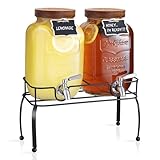
Best Lemonade Dispensers for Parties
The best lemonade dispensers for parties are a 2.5-gallon glass dispenser for most home gatherings, a 5-gallon insulated beverage dispenser for large outdoor events, and a smaller 1-gallon jar when portability and easy cleaning matter more than serving volume.
Capacity is only part of the decision. A dispenser that holds plenty of lemonade can still be frustrating if the spigot drips, the opening is too narrow for ice, or the jar sits too low for cups. The right choice depends on guest count, serving style, temperature control, and how much cleanup you are willing to do afterward.
As an Amazon Associate we earn from qualifying purchases at no extra cost to you.


Quick Comparison: Which Dispenser Fits Your Party?
| Dispenser type | Typical capacity | Approximate 8 oz servings | Best party size | Ice compatibility | Typical market range |
|---|---|---|---|---|---|
| Small glass jar | 1 gallon / 3.8 L | 16 before accounting for ice | Up to 8 guests | Good with regular cubes | Usually $20–$40 |
| Large glass jar | 2–2.5 gallons / 7.6–9.5 L | 32–40 | 10–20 guests | Good, if the lid opening is wide | Usually $35–$80 |
| Insulated beverage cooler | 3–5 gallons / 11–19 L | 48–80 | 20–50 guests | Best for ice retention | Usually $35–$100 |
| Two-dispenser setup | 2 x 1–2.5 gallons | 32–80 | 20–50 guests | Flexible; use different ice levels | Usually $50–$160 |
These serving figures assume an 8-ounce cup and do not include space taken by ice, fruit, or foam. For a party, plan on roughly 12 ounces of lemonade per guest for a short gathering and 16–20 ounces per guest for a warm day or an event lasting several hours.
Best for Most Home Parties: A 2–2.5-Gallon Glass Dispenser
A large glass jar, such as a Style Setter or Acopa-style 2–2.5-gallon beverage dispenser, is the most balanced choice for birthdays, cookouts, game nights, and family gatherings. It provides enough volume for a medium group without becoming excessively heavy or difficult to wash.
A full 2.5-gallon dispenser contains 320 ounces. If you reserve 15 percent of the interior for ice and headspace, usable lemonade is about 272 ounces. At 12 ounces per person, that serves approximately 22 guests:
2.5 gallons × 128 ounces × 0.85 ÷ 12 ounces = about 22 servings.
That calculation makes this size more useful than the label alone suggests. It is comfortable for 15–20 guests, but it may run short for 30 people unless you have a refill pitcher or a second drink available.
What to look for
- Low-mounted, replaceable spigot: The outlet should sit close to the base so less lemonade remains trapped below it.
- Silicone or rubber sealing washers: These help prevent leaks around the hole in the glass.
- A wide top opening: Aim for an opening of at least 4 inches so you can add ice and scrub the interior.
- A sturdy stand: Glass jars are heavy when full. The stand should not flex when a guest presses the tap.
- Space for a cup beneath the spigot: A jar that sits too low will require guests to tilt cups or lift the container.
Glass is attractive and does not retain lemonade odors as easily as some plastics, but a full 2.5-gallon jar can weigh more than 20 pounds. Fill it where it will be served rather than carrying it across the room.
Best for Small Gatherings: A 1-Gallon Glass Jar
A 1-gallon dispenser is a better choice for a brunch, small family meal, or gaming-room gathering of up to eight people. Examples include compact mason-jar-style dispensers from brands such as Mason Craft & More and similar food-service designs.
The main advantage is not just lower capacity. A 1-gallon jar is easier to move, faster to chill, and much easier to hand-wash. It also reduces waste when lemonade is one of several drinks.
Its limitation is serving capacity. One gallon equals 128 ounces, but ice can reduce liquid space by 10–20 percent. With 105 usable ounces and 12-ounce portions, expect about eight servings rather than the theoretical ten.
Check the spigot carefully on inexpensive small jars. A thin plastic tap may be adequate for occasional use, but it can loosen when guests repeatedly twist it. A metal or thick, food-safe plastic spigot with a locking nut is preferable.
Best for Large Outdoor Parties: An Insulated 3–5-Gallon Beverage Cooler
For a sports day, graduation party, neighborhood cookout, or outdoor LAN event, an insulated beverage cooler is usually more practical than a giant glass jar. Igloo beverage coolers and comparable commercial-style insulated dispensers are designed to hold several gallons while reducing temperature gain in hot weather.
A 5-gallon unit contains 640 ounces. Allowing 15 percent for ice and headspace leaves roughly 544 ounces, or about 45 servings at 12 ounces each. In practice, it can serve 30–40 guests comfortably when people also drink water or soda.
The tradeoff is presentation and cleaning. Insulated coolers are less decorative, and their narrow internal corners can make sticky lemonade residue harder to remove. Choose a model with a removable lid, a drainable interior, and a spigot that can be removed without special tools.
Why insulation matters
Ice inside the drink cools efficiently but displaces lemonade. Ice in a separate wall or surrounding chamber preserves more serving volume. If a cooler uses drink-contact ice, do not fill it to the top: leave enough room for stirring and for the spigot to remain above settled pulp.
Spigot Quality and Leak Resistance Matter More Than Appearance
The spigot is the most failure-prone part of a lemonade dispenser. Lemonade contains sugar and sometimes pulp, both of which can make a poorly designed valve sticky. A decorative jar with a weak tap may be less useful than a plain container with a dependable dispenser.
Use this spigot checklist
- Look for a threaded connection with a washer on both sides of the container wall.
- Prefer a lever that returns cleanly instead of a loose rotating valve.
- Check whether replacement washers or a replacement spigot are available.
- Avoid very fine internal passages if your lemonade contains pulp, seeds, or fruit pieces.
- Do not overtighten the mounting nut; excessive force can stress a glass wall or distort a washer.
Before adding lemonade, fill the dispenser with water and leave it on a towel for 15 minutes. Open and close the spigot several times, then inspect the connection and the outlet. This catches slow leaks before sugar makes the problem harder to clean.
Ice Compatibility: Choose the Opening Before the Capacity
Large cubes and fruit slices need a wide lid opening. A dispenser may advertise 2 gallons of capacity but still be inconvenient if its neck is only 2 inches wide. Small openings force you to use crushed ice, which melts faster and can block the spigot when mixed with pulp.
| Contents you plan to add | Recommended opening | Reason |
|---|---|---|
| Liquid only | At least 2.5 inches | Enough for a funnel and easy pouring |
| Regular ice cubes | At least 4 inches | Allows loading and stirring without wedging cubes |
| Fruit slices and large cubes | 5 inches or wider | Reduces clogging and makes cleaning easier |
| Frozen lemonade blocks | Wide removable lid | Supports large inserts without forcing them through a neck |
For the coldest drink with the least dilution, freeze some lemonade in shallow containers and add the frozen pieces to the dispenser. They melt into the drink rather than watering it down. Remove seeds and thick pulp before filling because they can obstruct narrow taps.
Cleaning Effort and Portability
Glass is usually easier to deodorize, while insulated plastic is lighter and safer outdoors. Either type should be cleaned immediately after the party. Sugar left in a spigot can become sticky and attract insects.
- Drain the remaining lemonade completely, including liquid below the tap.
- Remove the spigot, washer, lid, and any removable gasket.
- Rinse each part with warm water before the sugar dries.
- Wash the container with dish soap and a soft bottle brush.
- Flush the spigot by opening it while clean water runs through the container.
- Air-dry every component separately before reassembly.
Do not put a large glass dispenser in a dishwasher unless the manufacturer specifically permits it. Thermal shock from hot water can crack glass. Avoid abrasive pads on clear plastic because scratches can harbor residue and make the container look cloudy.
Final Buying Guide
- Up to 8 guests: Choose a 1-gallon glass jar for easy handling and minimal leftovers.
- 10–20 guests: Choose a 2–2.5-gallon glass dispenser with a wide opening and sturdy stand.
- 20–40 guests: Choose a 3–5-gallon insulated cooler, or use two smaller dispensers for easier refilling.
- Mixed drinks: Use two 1–2.5-gallon dispensers so lemonade and another beverage can be served separately.
- Outdoor heat: Prioritize insulation, a covered lid, and a raised spigot over decorative glass.
- Frequent use: Buy the model with the most serviceable spigot and easiest disassembly, even if its appearance is simpler.
For most parties, a 2–2.5-gallon glass dispenser offers the best balance of serving capacity, visibility, ice access, and cleanup. Move to an insulated 5-gallon design when the event is outdoors or serves more than 25 people, and choose a 1-gallon jar when the priority is portability rather than maximum volume.
Frequently asked questions
How much lemonade should I plan for each guest?
Plan on roughly twelve ounces per guest for a short gathering and sixteen to twenty ounces per guest for a warm day or an event lasting several hours. These amounts help account for different party conditions better than relying only on the dispenser’s labeled capacity. Ice, fruit, and foam also reduce the space available for lemonade.
Should I fill a glass dispenser where I plan to serve it?
Yes, fill a large glass dispenser where it will be served rather than carrying it across the room. A full two-and-a-half-gallon jar can weigh more than twenty pounds, making it difficult to move safely. Its stand should also remain stable when a guest presses the tap, since the container is heavy when full.
How can I check whether a dispenser leaks before the party?
Fill the dispenser with water and leave it on a towel for fifteen minutes before adding lemonade. Open and close the spigot several times, then inspect the connection and outlet for slow leaks. This check can reveal problems before sugar makes leakage sticky and more difficult to clean.
What type of ice helps keep lemonade cold without diluting it?
Frozen lemonade blocks help keep the drink cold with less dilution because they melt into the lemonade rather than watering it down. Make them in shallow containers and add them to a dispenser with a wide removable lid. Ice still takes up serving space, so leave room for stirring and for the spigot to remain above settled pulp.
How should I clean a lemonade dispenser after a party?
Clean the dispenser immediately after the party by draining all lemonade, including liquid below the tap. Remove the spigot, washer, lid, and removable gasket, then rinse the parts with warm water. Wash the container with dish soap and a soft bottle brush, flush the spigot with clean water, and air-dry every component separately before reassembly.