Monitor prices are not flat across the year. The same panel can swing 15-30% depending on the season, product cycles and where a model sits in its lifespan. If your purchase is not urgent, timing it well is the easiest discount you will ever get. Here is when displays actually go on sale and how to judge whether a deal is real.
Our Top Picks



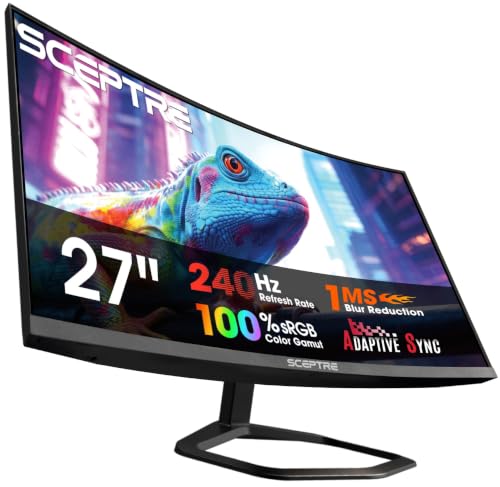
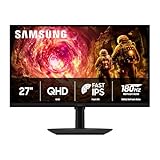
Top 3 picks at a glance

The big discount windows
Late November’s Black Friday and Cyber Monday stretch is still the deepest sales period for monitors, with flagship OLEDs and popular 1440p panels seeing their lowest prices of the year. July’s mid-summer sales events are the second-strongest window. Back-to-school in August-September and post-holiday clearance in January round out the calendar with solid, if smaller, savings.
As an Amazon Associate we earn from qualifying purchases at no extra cost to you.



| Window | Typical savings | Best for |
|---|---|---|
| Black Friday / Cyber Monday | 15-30% | Everything, esp. OLED flagships |
| Mid-summer sales | 10-25% | Popular gaming panels |
| Back-to-school (Aug-Sep) | 10-20% | Budget and office monitors |
| January clearance | 10-20% | Prior-gen models |
Product cycles matter more than the date
Watch for new-generation launches
Monitor makers refresh lineups around major tech shows early in the year and again in late summer. When a new panel generation ships, the outgoing model often drops sharply as retailers clear stock. A one-year-old QD-OLED can be a smarter buy than a brand-new one if the only change is a spec you will never notice.
Panel prices trend down over a model’s life
A monitor typically launches at its highest price, settles after a few months, then dips during sales events. If you see a display that has been out for 6-12 months, its sale price is usually a genuine floor rather than an inflated “was” number.
How to tell a real deal from fake
Ignore the crossed-out “list price” and check the model’s actual price history using a tracker. A true deal is meaningfully below the recent 30-90 day average, not just below an inflated MSRP that no one paid. Set an alert at your target price and let it come to you instead of buying on impulse during a countdown timer.
Use price trackers to avoid fake deals
Retailers frequently inflate a “list price” so a modest discount looks dramatic. Browser tools and price-history sites let you see what a specific model actually sold for over the past few months, which is the only number that matters. A monitor “40% off” an invented MSRP may be more expensive than it was last month, while a quiet 15% drop on a model that rarely goes on sale can be the real bargain. Set an alert at a target price and let the tracker notify you, so you buy on data rather than a ticking countdown clock. This habit alone often saves more than picking the “right” season.
FAQ
Should I wait for Black Friday if I need a monitor now?
If your current screen works, waiting a few weeks for a late-November sale can save 20% or more on the exact model you want. If you have no working display or the sale is many months away, buy a well-reviewed panel now at a fair price rather than suffering to save a little later.
Are launch-day prices ever worth paying?
Only for a genuinely new technology you specifically want, like the first panels in a new refresh-rate or brightness tier. For mainstream specs, waiting a few months almost always gets you the same performance for less money.
Bottom line
The cheapest time to buy a gaming monitor is Black Friday, with summer sales close behind, but the bigger lever is buying a model that is 6-12 months into its life during any sale event. Verify the deal against real price history rather than a marketing MSRP, set a price alert, and only pay launch prices when the technology itself is the reason you are buying.